Unlike Any Other PD or Study Tour
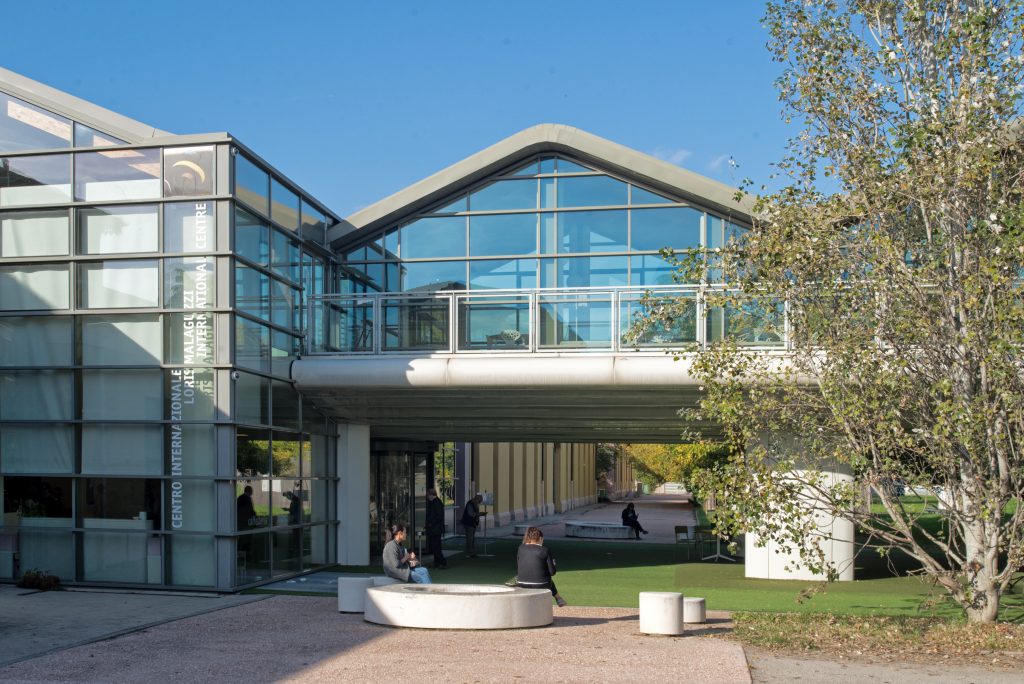
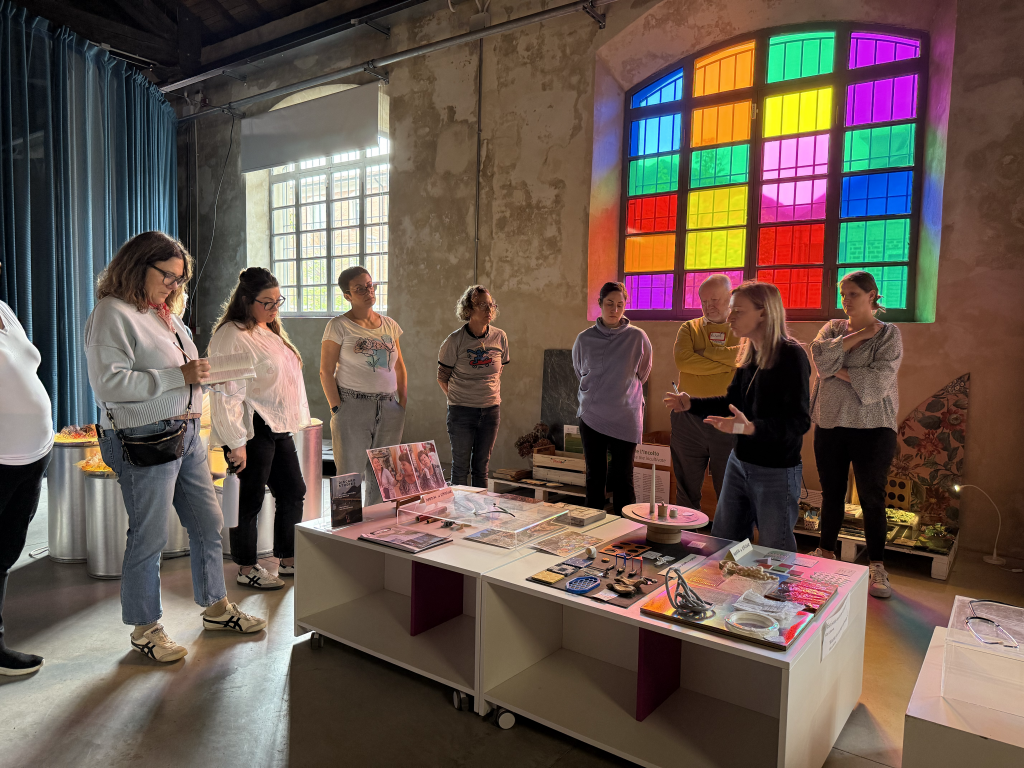
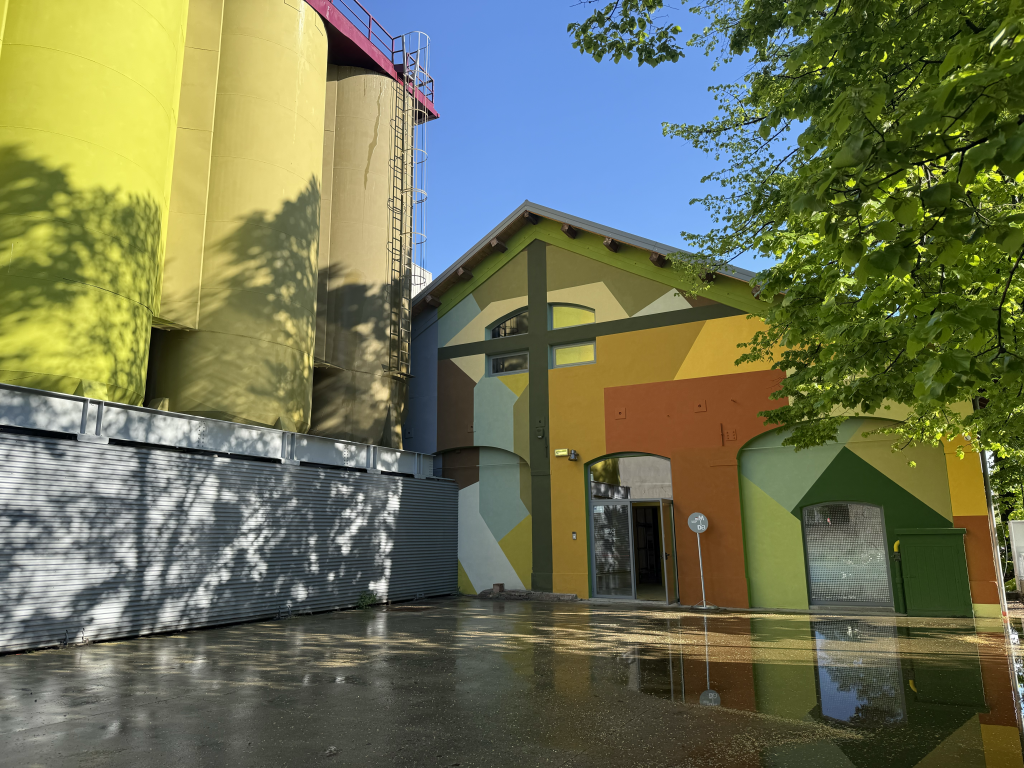
What if I told you that five-year-olds in Reggio Emilia, Italy were programming computers in 1990? That Loris Malaguzzi, the visionary behind what many consider the finest schools on Earth, sat with teachers and discussed how young children were commanding a Logo turtle—debugging, iterating, thinking mathematically—more than three decades ago?
This isn’t a story about technology. It’s a story about what children are capable of when adults take them seriously.
And it’s the reason I’m urging you—whether you teach kindergarten or college, art or algebra, English or engineering—to join us for The Language of Computation: Constructing Modern Knowledge in Reggio Emilia, June 15–19, 2026.
A Convergence Fifteen Years in the Making
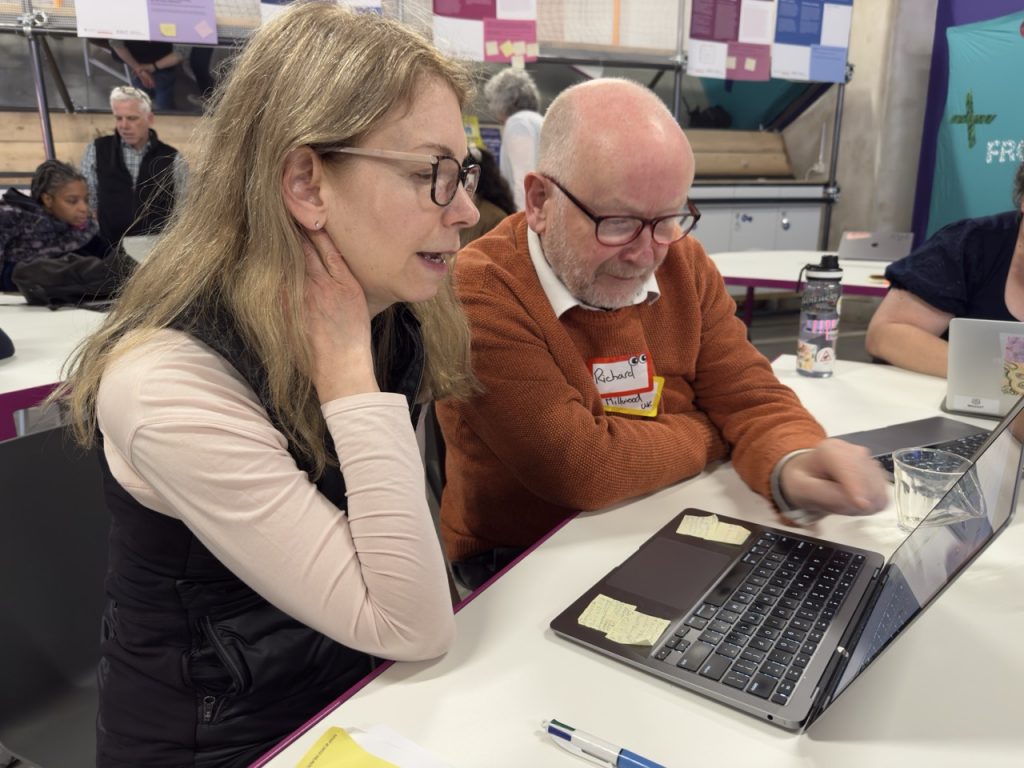
This institute sits at the intersection of two of the most powerful educational traditions of the past century. One belongs to Seymour Papert, the father of educational computing, whose theory of constructionism holds that people learn most powerfully when they are building something meaningful in the world. The other belongs to the educators of Reggio Emilia, whose eight-decade legacy of creative, democratic, learner-centered practice has inspired millions of educators worldwide.
These traditions share more DNA than most people realize. Both reject the notion that children are empty vessels waiting to be filled. Both insist on learning through long-term, engrossing projects. Both view the teacher not as a lecturer but as a researcher—a careful observer of children’s thinking. And both refuse to accept the false dichotomies that plague education: art versus science, play versus rigor, childhood versus competence.
Our inaugural 2025 institute proved that bringing these traditions into direct dialogue produces something extraordinary. The trust, energy, and ingenuity of participants from across the globe, combined with the genius and wisdom of our colleagues at Reggio Children and Fondazione Reggio Children, created a rare kind of professional learning experience. We learned so much that we’re returning—and adding a fifth day to give us the time that quality learning demands.
But I’m Not a “Tech Person”
Good. This institute is not about technology. It’s about computation as a language— in the spirit of the hundred languages of children Malaguzzi celebrated.
Here’s the distinction that matters: There’s a difference between digital and computational. A digital project is something created with a computer—a video, a presentation, a poster. These can be wonderful, but they rarely involve any actual computing. A computational project requires the act of computation itself: programming, debugging, modeling, adding interactivity or intelligence to something you’ve made. Mathematician Stephen Wolfram defines computation as “organizing your thoughts clearly enough that you can explain them to a sufficiently smart computer.”
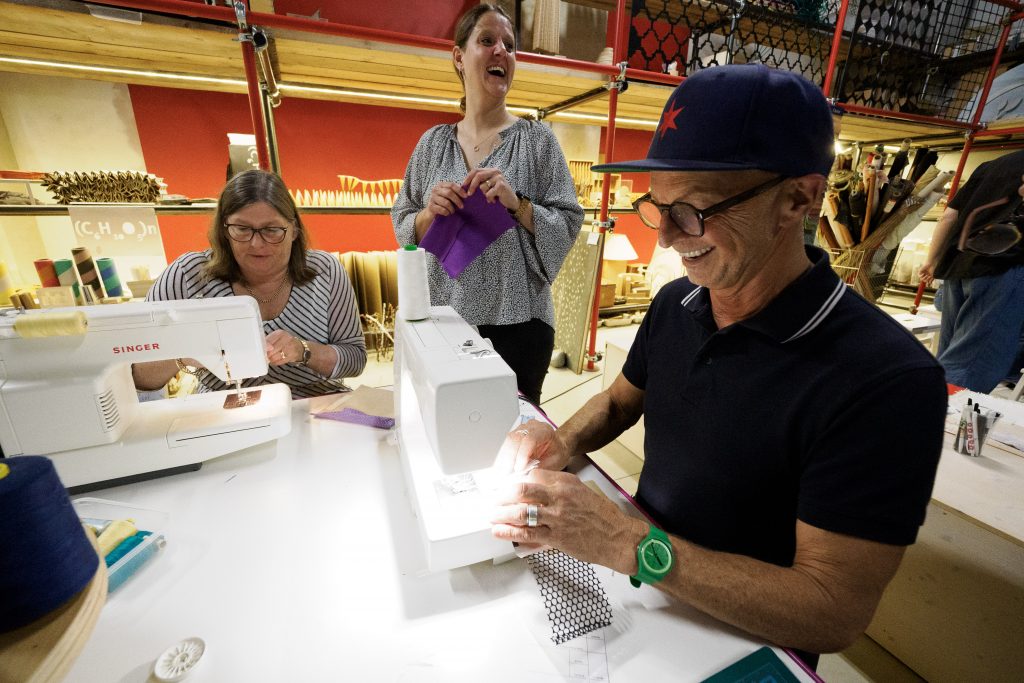
When a kindergartener builds a robot ballerina from pipe cleaners and LEGO bricks, that’s crafting. When she programs it to dance, respond to touch sensors, change direction, and play music—that’s computation. And in that process, she’s engaged in abstract and concrete reasoning, formal logic, debugging, and mathematical thinking that goes far beyond “knowing left from right.”
Computation is what happens when a group of educators at a Constructing Modern Knowledge institute dream up “Shoe-ber”—shoes that summon a taxi when you click your heels together—and then actually build it with a microcontroller, a programming language, and the freely available Uber API. In a traditional classroom, that idea dies as a poster board at an Invention Convention. With computation, it becomes real.
This is akin to what Papert meant by “Mathland”—a space where mathematical fluency comes as naturally as learning French by growing up in France. Computation makes project-based learning possible in mathematics the way it has long been possible in language arts, history, and science. And it does so not by “sugar-coating the math children hate, but by offering them a math they can love.”
Why This Matters for Your Subject, Your Grade Level
Computation isn’t a subject. It’s a superpower for every subject.
Stephen Wolfram calls this “Computational X”—the idea that for every field from archaeology to zoology, computation opens up new possibilities. These aren’t just the frontiers of each discipline; they’re often the most interesting and consequential branches.
Consider that the National Council of Teachers of Mathematics declared in 1989 that half of all mathematics had been invented since World War II—a percentage that has only grown. Cellular automata, fractal geometry, information theory, cryptography, data science, and artificial intelligence are all now accessible to children. Their newness doesn’t relegate them to graduate school. No one should have to endure twelve years of asparagus before being allowed dessert.
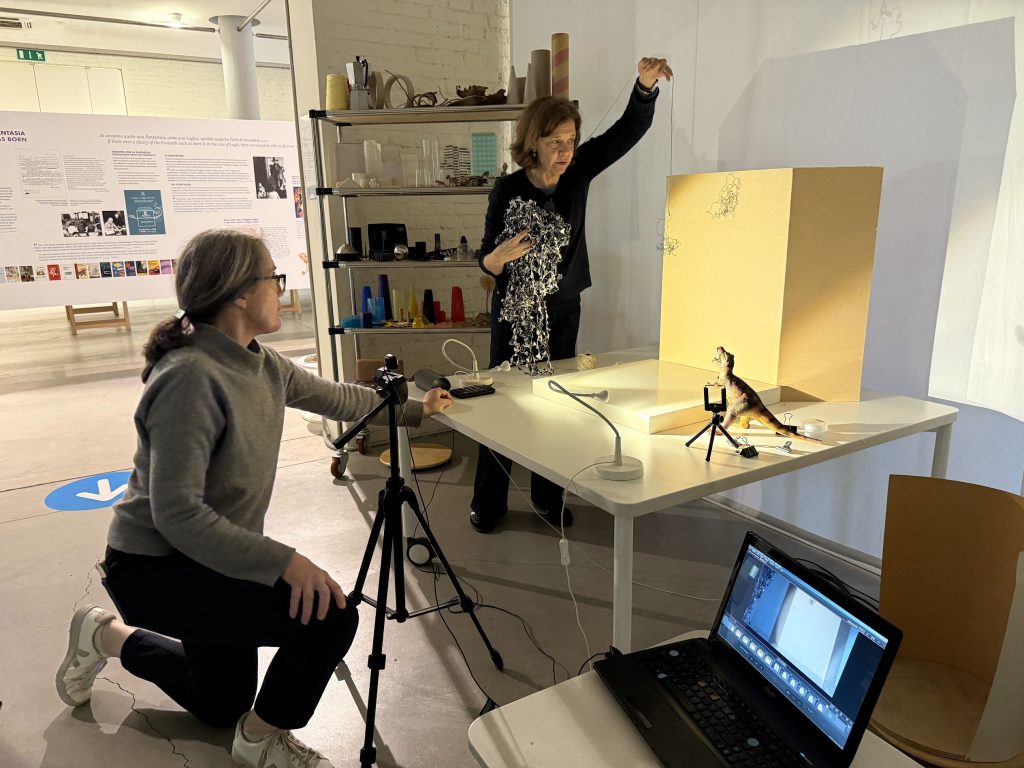
But this isn’t only about math. Computation makes learning visible. In Reggio environments, documentation is an active, curated process that reveals children’s thinking so it can be recalled, revisited, and built upon. Computational projects produce documentation naturally—the code itself is a record of a child’s reasoning, their epistemological approach, their creative decisions. Product and process become inseparable. Transparency isn’t an afterthought; it’s built in.
And debugging—the act of finding and fixing errors—is as central to Reggio’s project-based philosophy as it is to computer science. Papert understood that most attempts to learn or create something involve wrong turns, faulty logic, and temporary setbacks. “The question isn’t whether you failed. The question is whether it’s fixable.” That shift in mindset, from judgment to problem-solving, from fear of failure to strategies for getting unstuck, is transformative for learners of every age.
This Is Not a Conference
Let me be clear about what this is not. It is not a conference where you sit in a ballroom and watch slideshows. It is not a study tour where you merely observe.
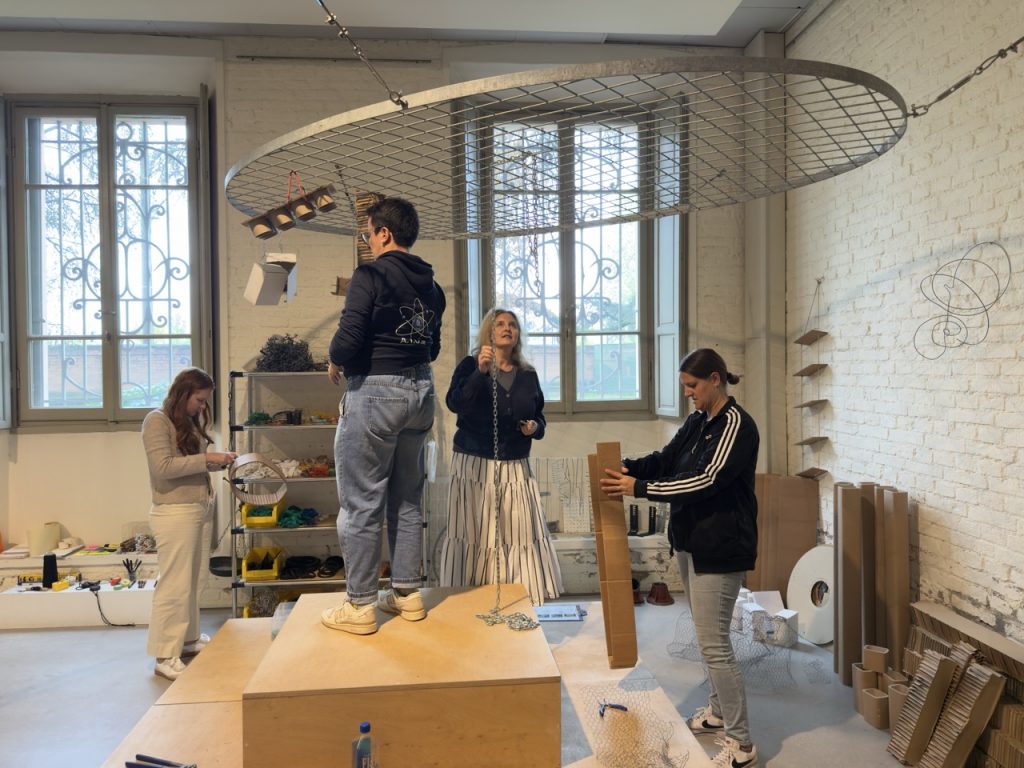
The Language of Computation is an immersive, five-day professional learning adventure in which you will construct knowledge through meaningful projects alongside atelieristas, pedagogistas, and the world-renowned Constructing Modern Knowledge faculty. You will program. You will build with BBC micro:bits, Hummingbird Robotics Kits, recycled materials, and traditional craft supplies. You will mess about with artificial intelligence. You will engage in linguistic play and probabilistic thinking. You will experience learning the way you wish your students could.
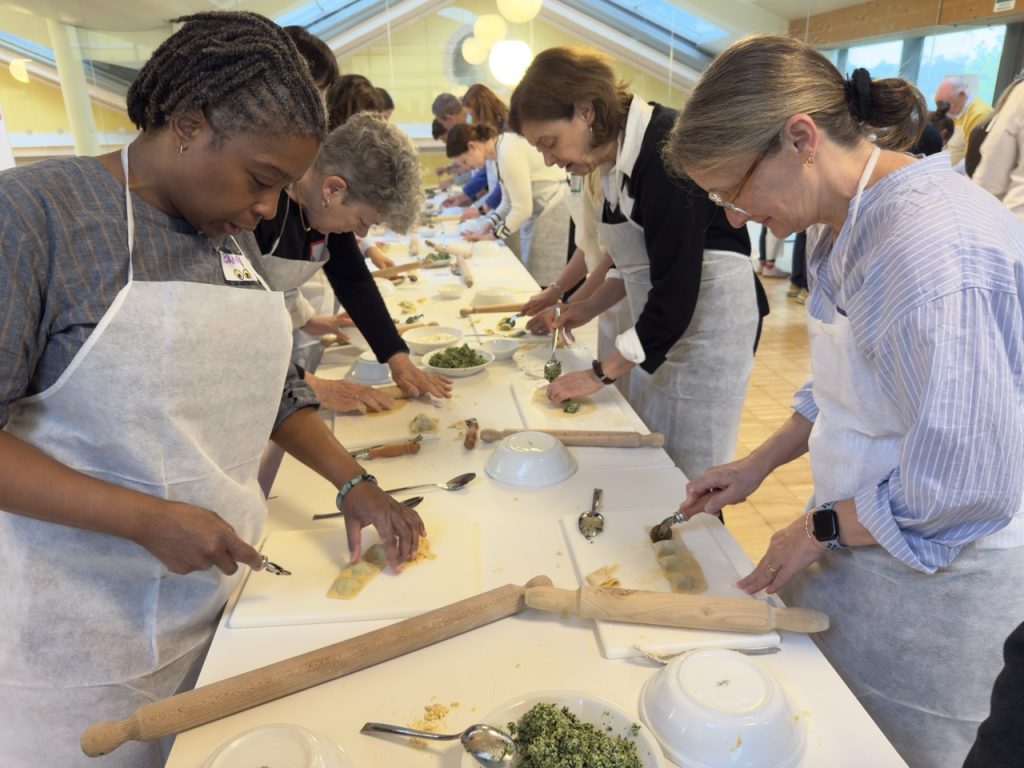
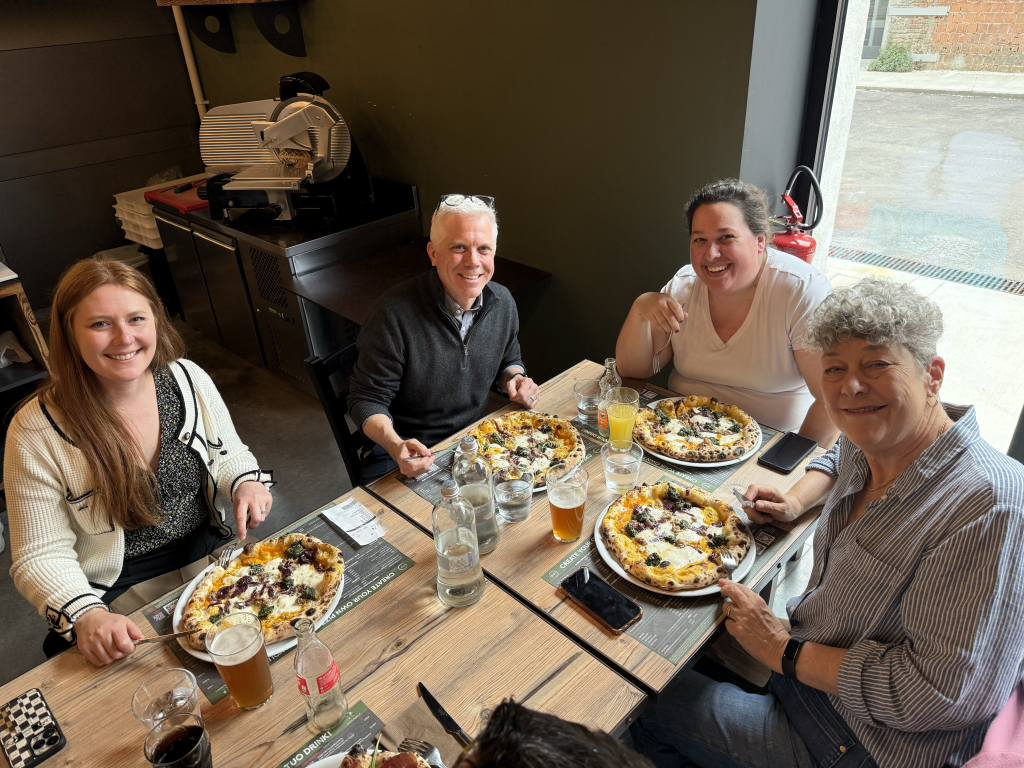
You will also break bread—literally. On the first evening, the atelier chefs who work with Reggio’s children will guide you in making fresh green tortelli by hand before sitting down to a multi-course meal where gastronomy and learning intertwine. You will dine at a spectacular traditional restaurant in the city center. You will eat woodfire pizza near the Malaguzzi Centre that will permanently recalibrate your standards for delicious food. Reggio Emilia is the birthplace of the slow food movement, and Emilia Romagna is the home of lasagna, tortellini, prosciutto di Parma, Parmigiano Reggiano, and balsamic vinegar. Nourishment here extends well beyond the stomach and to the mind.
All Are Welcome
This institute is explicitly designed for educators of all disciplines and levels. You do not need to teach preschool. You do not need to teach computer science. You do not need prior programming experience.
What you need is a willingness to see children—and yourself—as capable, creative, and deserving of the most thoughtful attention. What you need is curiosity about what becomes possible when timeless pedagogical wisdom meets cutting-edge computational materials. What you need is the kind of week that doesn’t just add a tool to your toolbox but fundamentally reorients how you think about learning.
Howard Gardner once observed that Reggio Emilia successfully challenges false dichotomies that the rest of us struggle with—art versus science, individual versus community, enjoyment versus study. Computation challenges still more: teacher versus learner, fantasy versus fact, screens versus active engagement, complexity versus accessibility, work versus play.
If you have ever felt that school asks too little of children, that technology in education has been squandered on trivial uses, that there must be a way to honor both progressive values and the realities of a computational world—this is your week.
Join Us!
The Language of Computation: Constructing Modern Knowledge in Reggio Emilia June 15–19, 2026 | Reggio Emilia, Italy
Five days. Two remarkable educational setting. Three partner organizations—Reggio Children, Fondazione Reggio Children, and Constructing Modern Knowledge—sharing their expertise and inviting you into a dialogue about what computation means for learners of all ages.
You will return home with practical tools, yes. But more importantly, you will return with a renewed sense of what’s possible when we honor children as competent, creative beings capable of engaging constructively with even the most sophisticated aspects of our contemporary world.
One should not be rushed in such a deliberate, thoughtful, and soulful setting. Come learn with us. This promises to be the learning adventure of a lifetime.
Register at reggio.constructingmodernknowledge.com