2025 Elegy
Phew! What a year.
Aside from the normal trials and tribulations of passing time, 2025 has been filled with an intolerable level of chaos and darkness. Worst of all, I lost far too many friends, mentors, and colleagues over the past twelve months. Each one of them made enormous contributions to humanity through their work as educators, regardless of their level of fame or anonymity.
Please indulge my grief as I mourn my friends and celebrate just a few memories as not only a means of honoring them, but as a way of challenging each of us to do more to make the world a better place for children. There are plenty of folks in education who are clever, cute, or witty. The educators we lost were wise. The world should could use more wisdom!
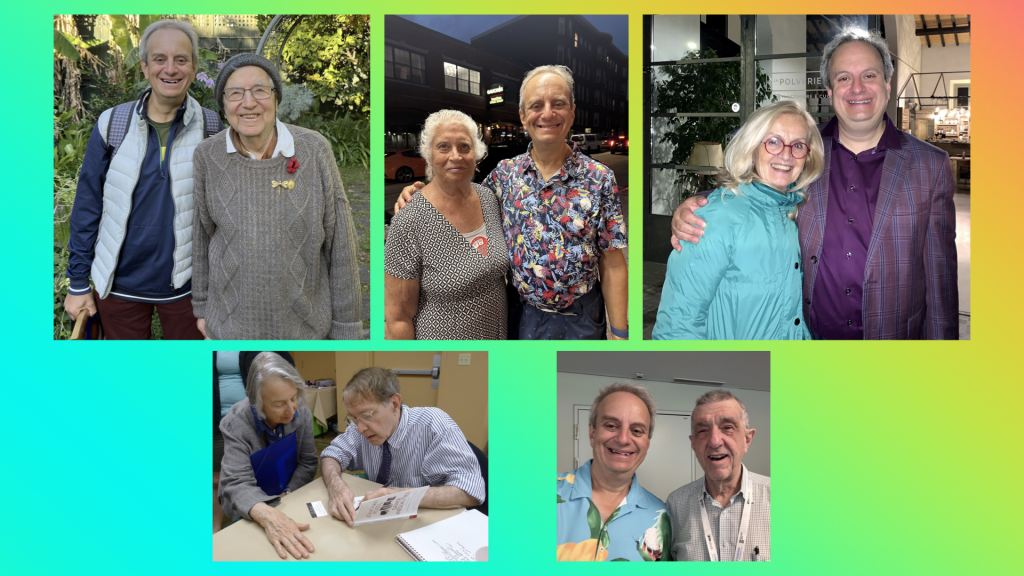
Bernard Newsome
Last January, I lost an Australian friend and mentor, Bernard Newsome. Bernard was one of those educators who students remember fondly and tell tall tales of until they draw their last breath. (Think Dead Poet’s Society)
We met in an unlikely manner. In 1993, I organized a Logo conference in Melbourne, Australia. Midway through the conference I got word that there was some sort of vagrant wandering around the conference. That was Bernard. He was a mentor to my great friend Jeff Richardson and Jeff told him he should come to the conference. We met that day and the rest is history.
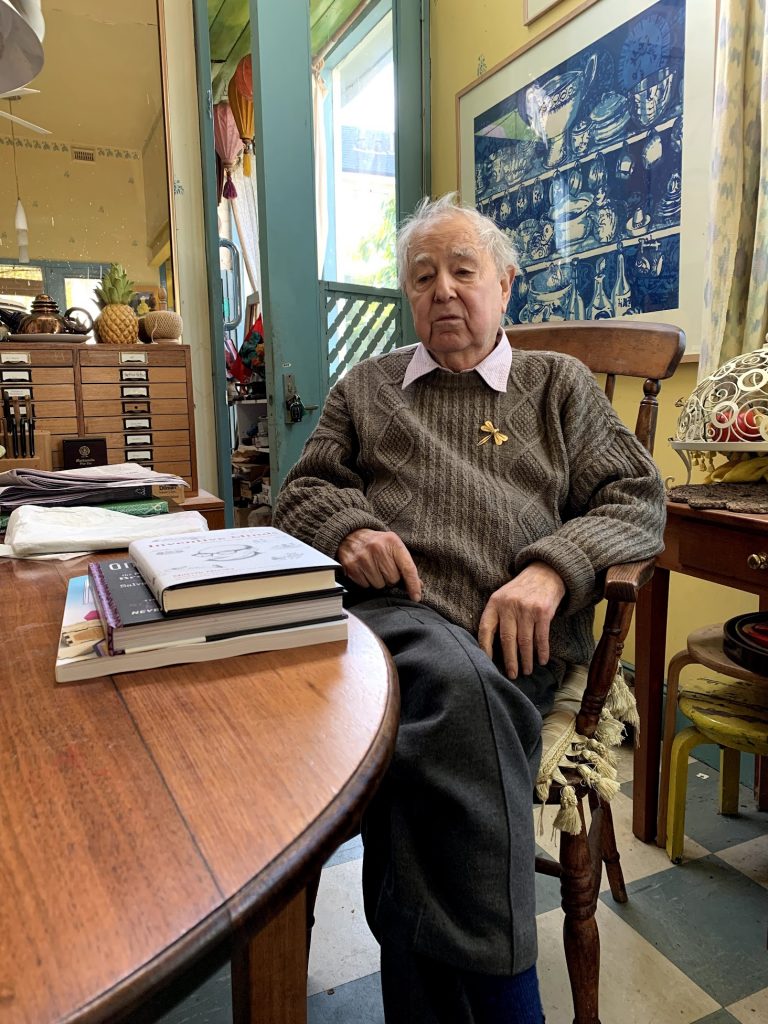
Bernard was born in rural Australia, attended Oxford University, studied with James Britton, taught English, and was a legendary teacher educator in Australia until his retirement after which he became an expert at art restoration, shaker furniture making, Photoshop, large format digital printing, and much more. He was known as a sommelier and person happy to hop on a table to recite an epic poem or bawdy limerick without much provocation. For whatever reason, Bernard took a liking to me despite his horror at my dietary preferences.
One memorable evening in the mid 1990s, I found myself on the opposite side of Bernard’s kitchen table from Bernard, Jeff (whose children call “the oracle”), and Barry Newell, one of Australia’s preeminent astrophysicists. They were convened to spend an evening demanding that I reveal my life’s purpose and plans for the future. I was lucky to get out alive. That night of interrogation was excruciating.
Years later, when my doctoral supervisor went AWOL, Bernard not only read my dissertation, but lovingly supported my scholarship, and helped arrange a backup plan if I needed to fire my PhD chair at the last possible minute.
Conversations with Bernard and his wife Mary made me a better person, thinker, and educator. If I could get past his highly tuned crap detector, I knew my ideas were solid. I loved visiting with Bernard in his freezing Victorian mansion full of art and treasure. Most of all, I will miss laughing together.
Maria Knee
Maria Knee was the real deal – a lifelong kindergarten teacher who made maple syrup with students, played in the snow with her kids, created opportunities for online collaborations with far-flung classrooms, and represented a generation of educators who were not only happy warriors, but who knew stuff. Maria’s brilliance as a teacher was not only rooted in love, empathy, curiosity, and playfulness, but scholarship too. She was a great progressive educator because she was steeped in the canon. She knew of Donald Graves’ powerful ideas and knew Donald Graves. Her praxis was rooted in a respect for children and childhood. There was a nobility to her pride in teaching kindergarten.
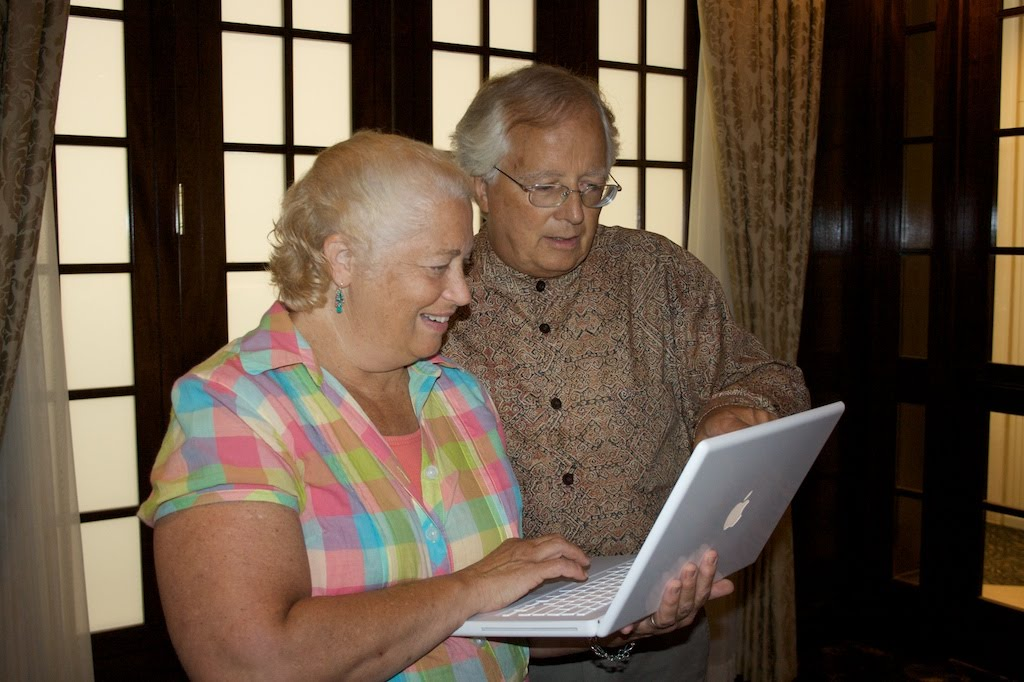
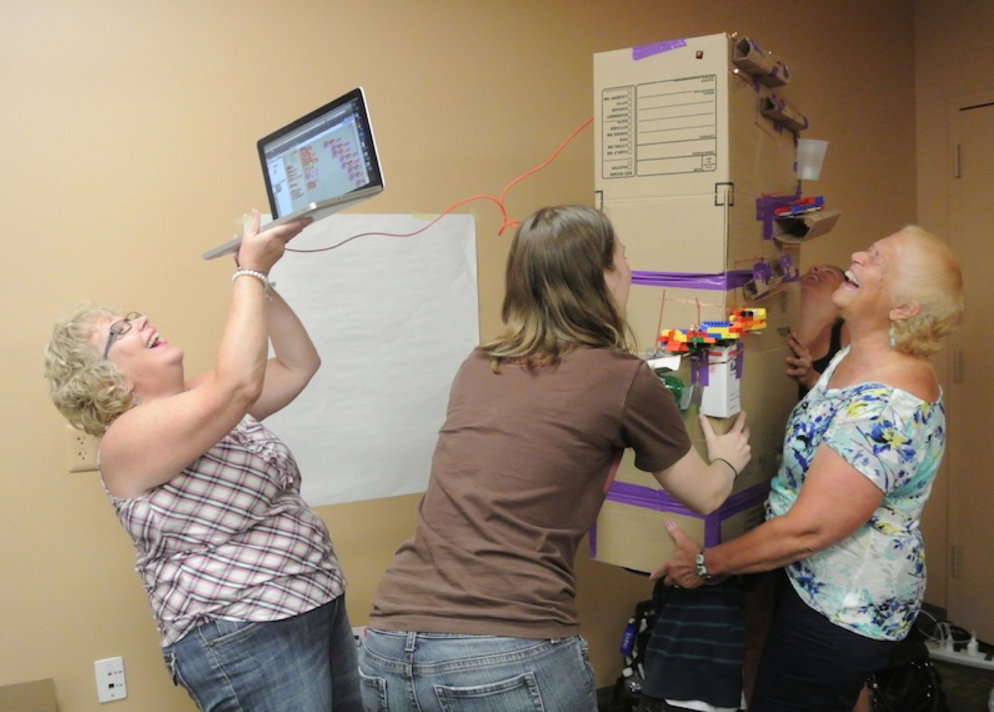
Maria’s joy was infectious and she was always willing to give something new a try. Sadly, I was late to the Maria Knee party. It turns out that before she arrived as one of the couple dozen educators attending the first Constructing Modern Knowledge institute, she was already known in edtech circles for her work connecting classrooms of young children online. My fondest memories of Maria include her collaborating with the father of microcomputer based laboratories, Bob Tinker, at the first CMK in 2008, and a few years later creating a hilarious high-tech contraption with her “bestie” from Australia and a young teacher who I know grew immeasurably in proximity to “Lucy and Ethel.” It was a great privilege to have Maria as a Constructing Modern Knowledge faculty member, schlepper, and confidante.
Maria bravely fought cancer for years with humor and grace. I will miss her forever and use her life of playful service as my North Star. They don’t make any finer teachers than Maria Knee.
Carla Rinaldi
Carla Rinaldi was the guiding light of the Reggio Emilia approach. She was one of Loris Malaguzzi’s pedagogistas and played a major role in creating the infrastructure and institutions that spread his ideas and the Reggio Emilia Approach around the world.
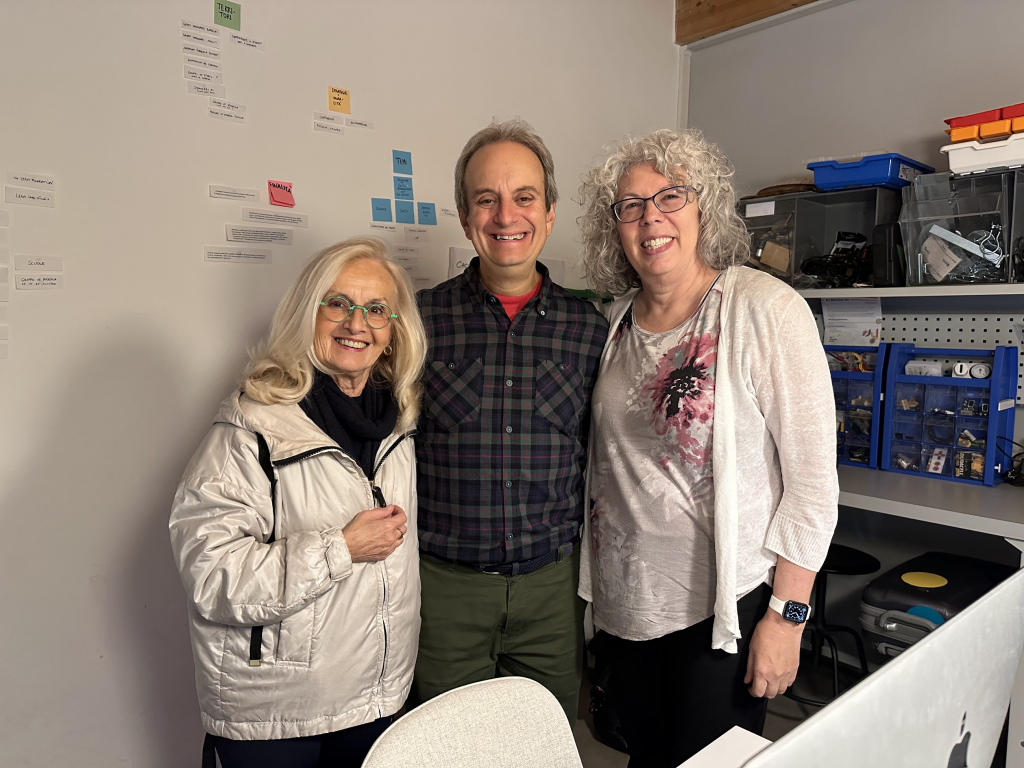
Carla Rinaldi was an elegant force to be reckoned with. Her mission to honor, nurture, and serve the planet’s youngest children was achieved through certainty, morality, temerity, laser-like focus and deadly serious playfulness.
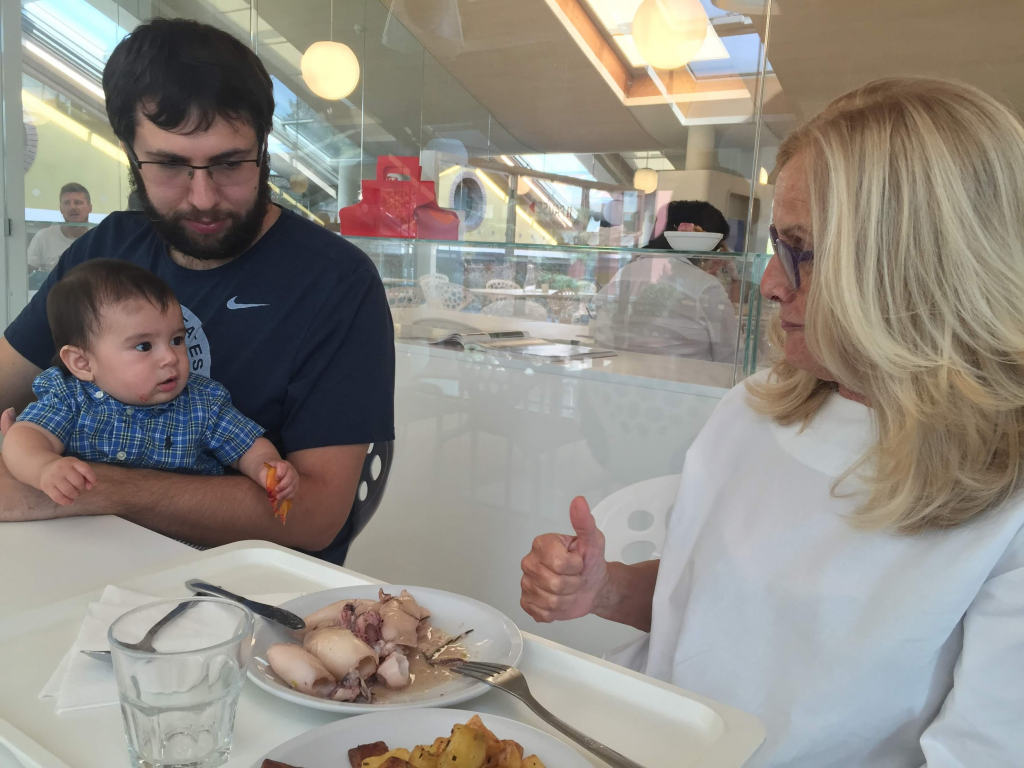
She could speak with an infant like Dr. Doolittle and also command the attention of The Pope. When you entered a cafeteria with Carla in Reggio Emilia, it was like traveling with Sinatra or a head of state. Yet for all that grandeur, she got up early to help us pack up CMK, adored eating fried fish on a sticky picnic table in a New Hampshire parking lot and went for ice cream with us, twice in one evening.
When two Grammy Award-winning jazz musicians performed an hour of improvisational music at Constructing Modern Knowledge, Carla reached for the Q&A microphone and commanded that “There must be jazz at this event every year.”
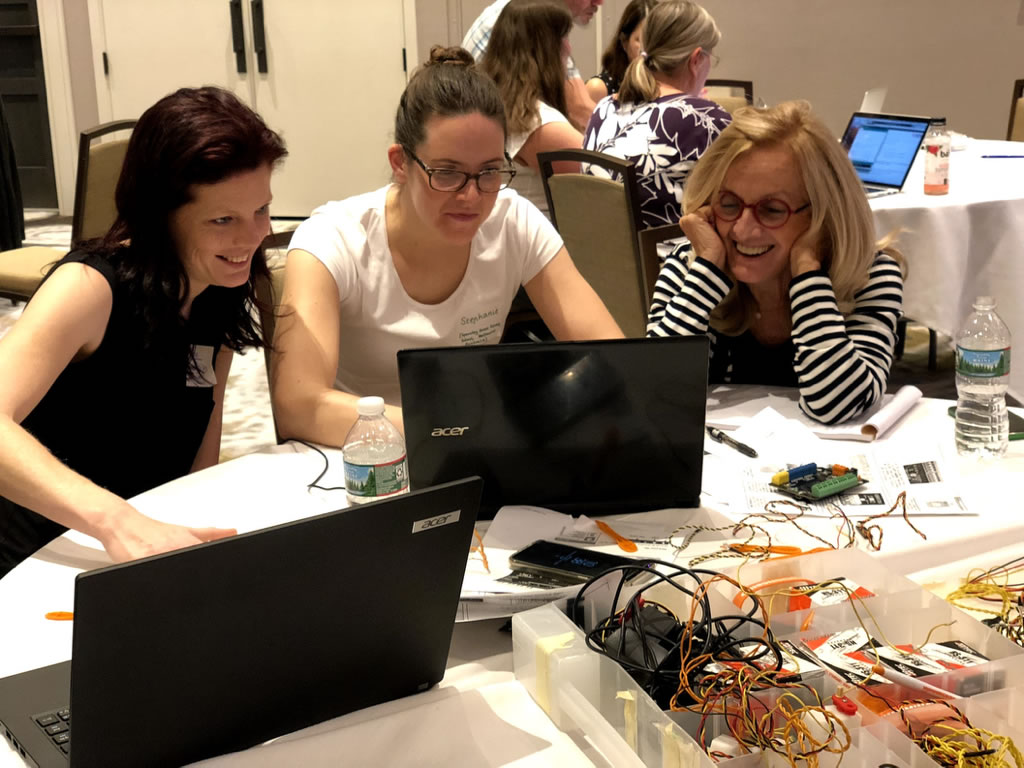
One of the great honors of my life was convincing Carla Rinaldi to speak at Constructing Modern Knowledge, not once, but twice. Despite her responsibilities at home and the inconvenience of international travel, Carla valued our desire to build a bridge between computation, constructionism, and the Reggio Emilia approach.
Not only that, but she also didn’t fly in, give a talk, and split. Carla was all-in. She participated in pre-institute electronics tinkering workshop, went on our bus trip to MIT and Boston, and spent four days interacting with the educators who gathered for CMK.
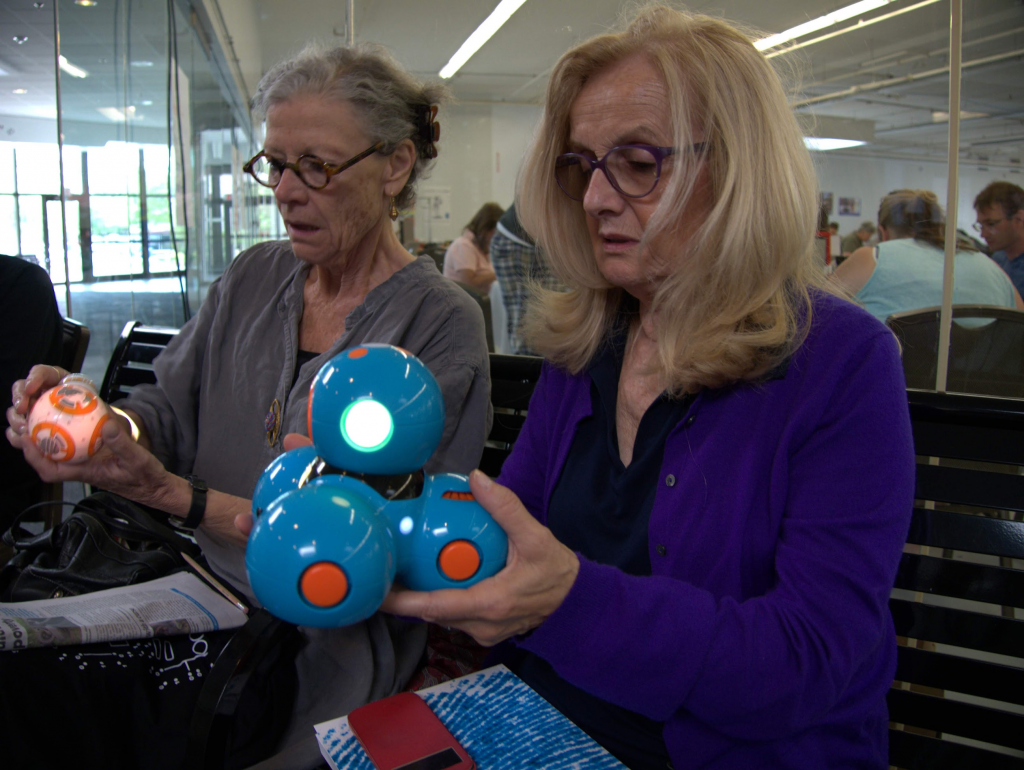
I will never forget showing programmable robots to Carla and our mutual friend Edith Ackermann. Carla immediately asked, “Are they friends?” followed by Edith inquiring, “Can they play together?” THAT is the work of two of the greatest epistemologists who ever lived.
One of my fondest memories involves getting back on the bus at midnight after a long day of learning-by-making in Manchester, NH, followed by a visit to the MIT Media Lab, and then a night on the town in Boston. Everyone was understandably exhausted, but as the host, I did a bit of cheerleading and asked random educators on our bus what they did during their 3-4 hours in Boston. I still choke up about the time one of the educators who attended CMK in consecutive years replied, “I went for soup dumplings at the place where Carla Rinaldi and I ate last year.” The ability to connect practicing educators with remarkable humans like Carla fills me with pride and justifies my career.
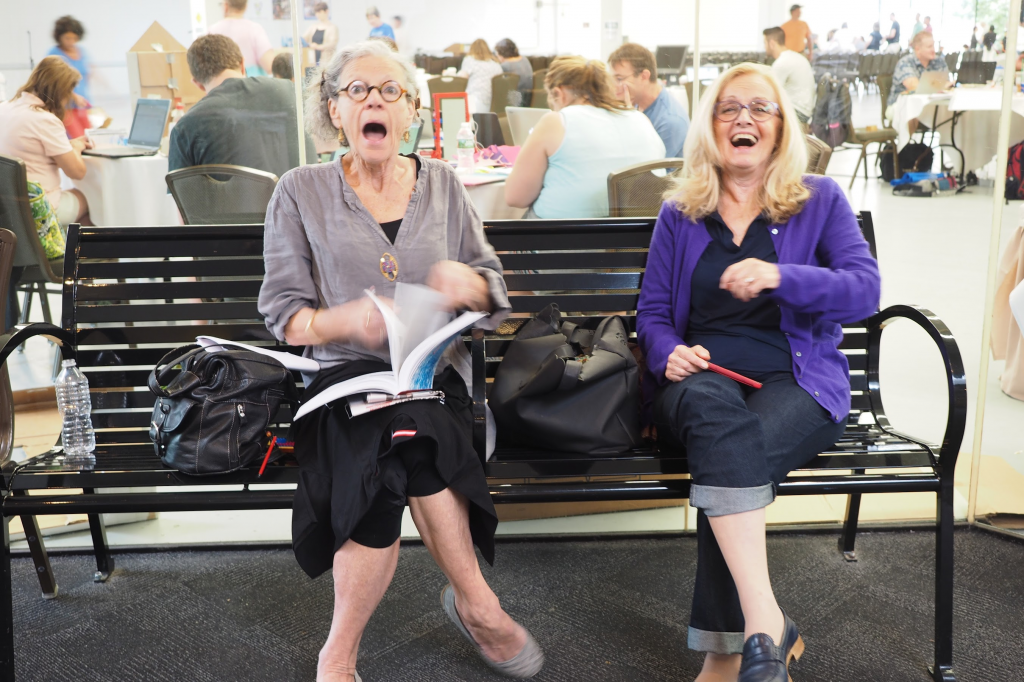
This past April, we realized a fifteen-year effort to organize an event for educators in Reggio Emilia. This would have been impossible without the trust, support, and effort of my friend Carla. Before we arrived in Reggio, we were informed that Carla had been ill. As luck would have it, Sylvia and I saw Carla on Tuesday (the second day of our event), but tragedy struck the next day when she passed away. We used the final day of our four-day institute to celebrate her brilliance and were blessed to attend the state funeral for one of the most brilliant educators who ever lived, in the city she loved so much. Thousands of her fellow citizens filled the piazza to pay their respects and four Mayors of Reggio Emilia presided over her funeral. It is a moment I will never forget.
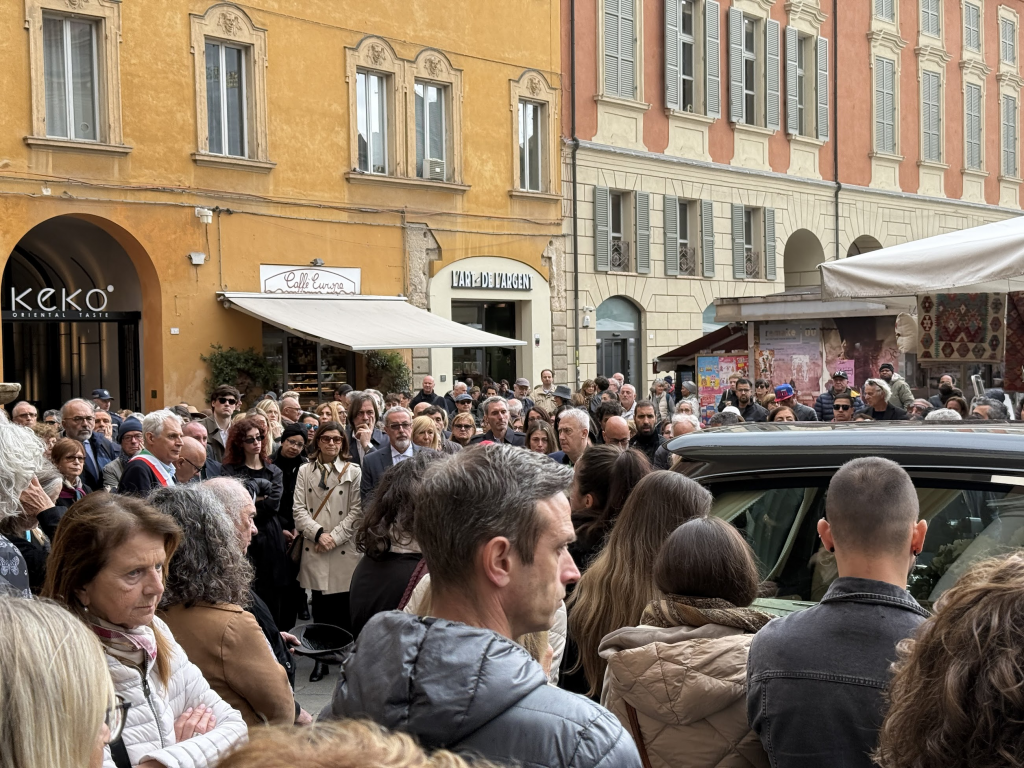
Lella Gandini
Perhaps no person did more to popularize and share the profundity of the Reggio Emilia approach outside of Italy than Lella Gandini. Her books, including: The Hundred Languages of Children, In the Spirit of the Studio, Beautiful Stuff, and Loris Malaguzzi and the Teachers are essential reading for any educator or parent. She translated much of Loris Malaguzzi’s work into English and was the official liaison for the Reggio Emilia approach in North America.
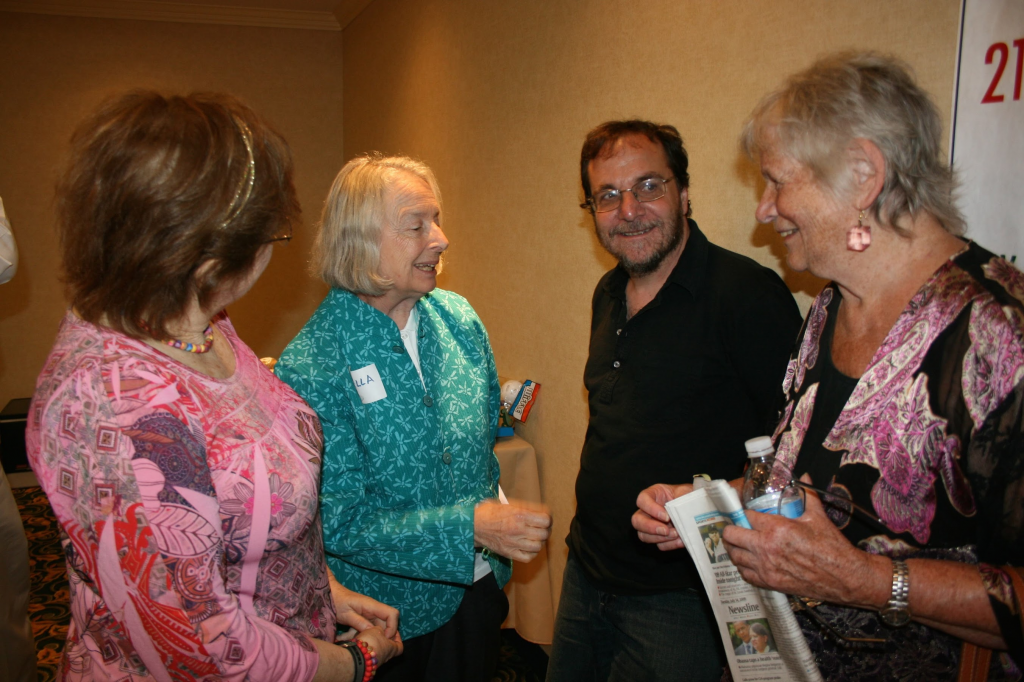
Lella was kind enough to be a guest speaker at Constructing Modern Knowledge twice, in our second and fourth institutes. Her early support for our efforts played no small role in building a bridge between CMK and our colleagues in Reggio Emilia. Without Lella, I may have never traveled to Reggio, met Carla Rinaldi, or been able to create our Language of Computation institute in Italy. Lella arrived at our Manchester, NH institute, took one look around, and gestured to me, “OK, I get it.” That vote of confidence was priceless.
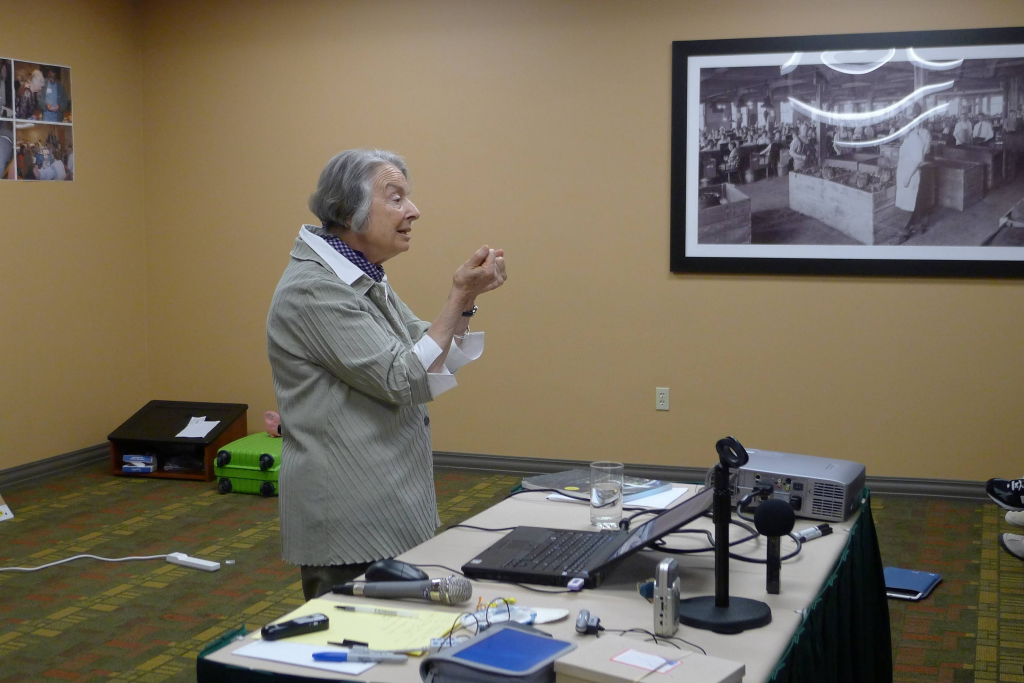
I remember a hurried lunch with Lella, Deborah Meier, and Cynthia Solomon during Constructing Modern Knowledge one year. It was an extraordinary privilege to break bread with some of the greatest intellectual giants of the past six decades and despite their disparate backgrounds, the conversation quickly arrived at a shared admiration for David Hawkins and his work. I also remember how excited she was to interact with another one of our guest speakers, Jonathan Kozol.
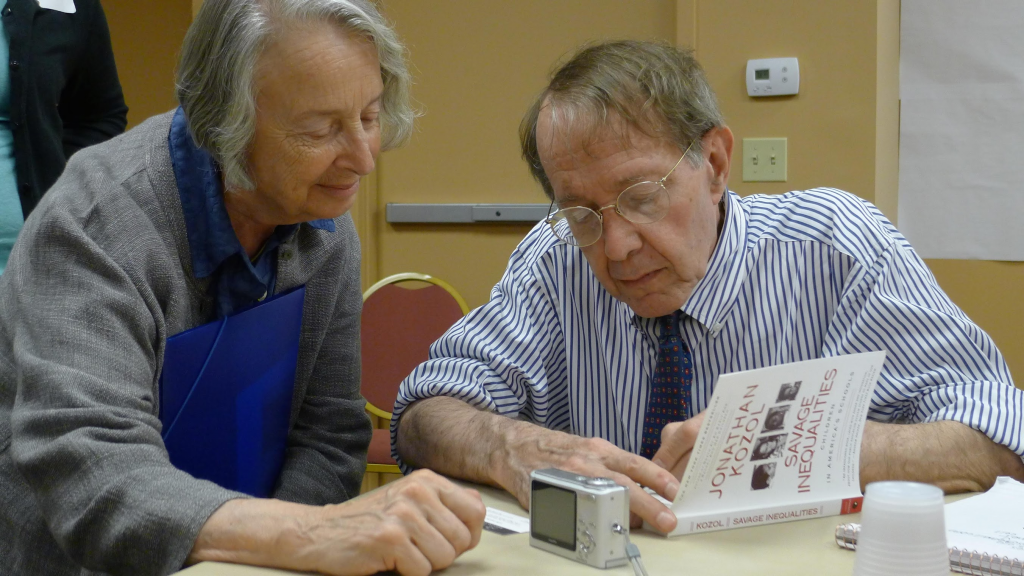
Thanks to Lella’s brilliant writing and editorial efforts the timeless ideas from a small Italian city known for having the best schools in the world will continue to inspire readers for generations to come.
José Valente
Today, I received word that I lost another great friend and colleague, José Valente. I sure hope this is 2025’s final gut punch. I met José Valente around twenty-five years ago during a large teacher workshop in either Mexico City or Brazil. In a world of unpleasant people, José was thoughtful and kind.
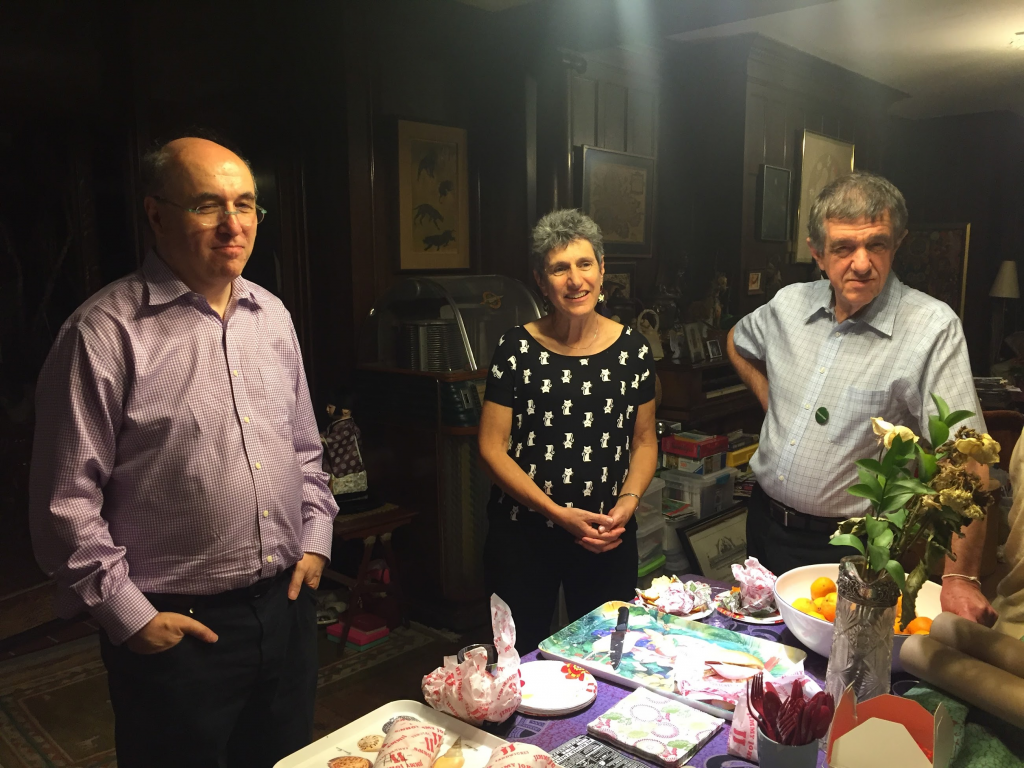
He was a veteran teacher educator and university researcher in Campinas, Brazil, who played a major role in the constructive deployment of computers in his nation’s schools. José was a member of the MIT Artificial Intelligence Laboratory’s Logo research group in the early 1970s where he worked with Seymour Papert and Sylvia Weir to use computational technology with special needs students. Perhaps José’s most important contribution was introducing Seymour Papert to the Brazilian samba schools. The samba school became one of Papert’s most enduring metaphors for school reform. Valente also played a critical role of organizing the legendary summit between Paulo Freire and Seymour Papert.
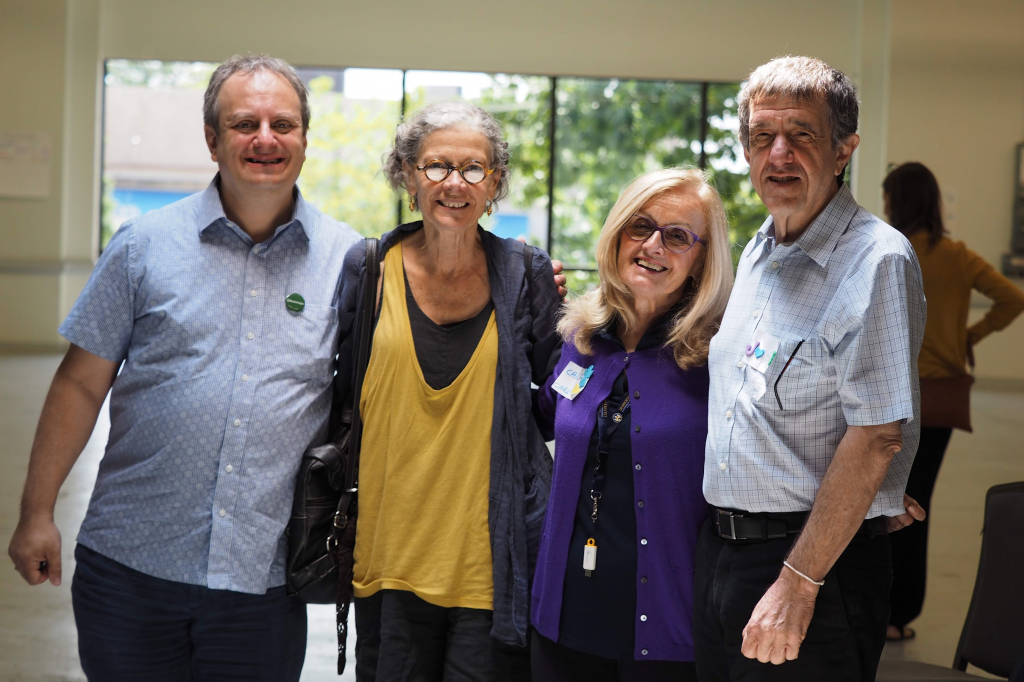
José made an important contribution to my book, Twenty Things to Do with a Computer Forward 50: Future Visions of Education Inspired by Seymour Papert and Cynthia Solomon’s Seminal Work, worked with the Scratch Team at MIT, and was an examiner on my PhD dissertation. A quite serious scholar, I often felt that José was my straight man. He made me funnier and I think enjoyed my transgressions. We attended conferences all over the world together.
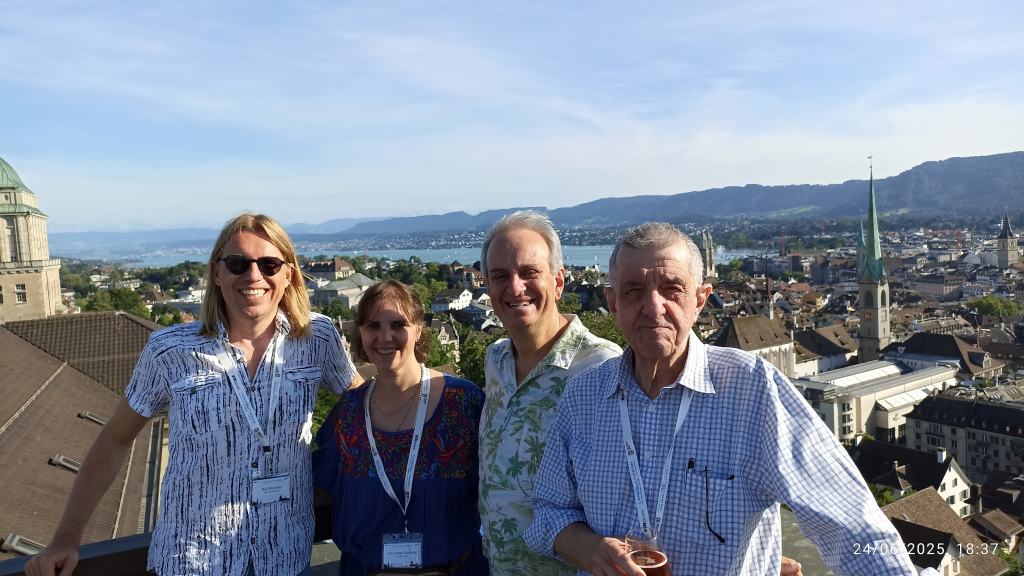
Like Maria, Lella, and Carla, José was a very special member of the Constructing Modern Knowledge faculty. I am so grateful to have spent time with him during June’s Constructionism Conference in Zurich. I’ll cherish our lakeside dinner and train ride together.
Here comes 2026!
A wise friend once told me, “This ain’t a dress rehearsal.” Hold your friends and loved ones close while choosing to do the right thing, even when it’s inconvenient.
My remaining days will be spent preserving and amplifying the legacy of my great friends. Their contributions to the continuum of progressive education, and my personal development, are priceless. Knowing anyone of their caliber is a blessing. Being able to work with them and share their genius was a spectacular gift I will forever cherish. My work on behalf of children, learning, and democracy takes on greater urgency in their absence. May they each rest-in-power and may their families find great comfort in their memory.
Final Thoughts
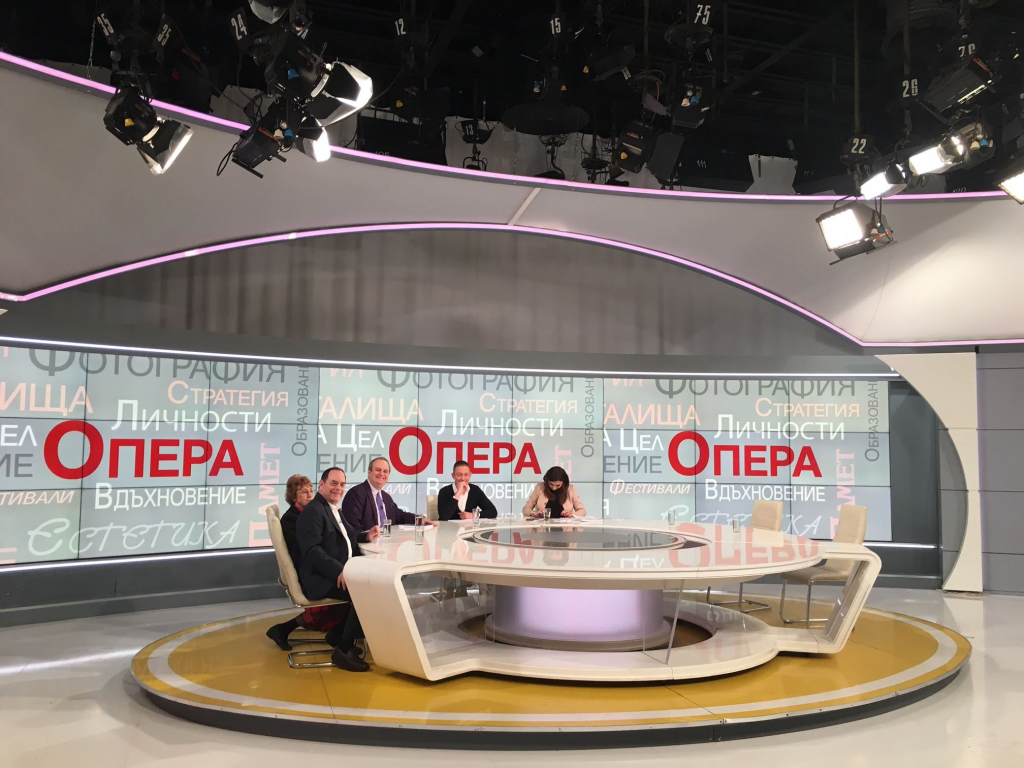
I would be remiss if I failed to acknowledge the 2025 passing of Marc Prensky. His cliché, “digital natives vs. digital immigrants” is universally recited. We were not great friends, but shared one remarkable day in Sofia where we appeared on the equivalent of Good Morning Bulgaria together. The lack of attention to his passing is a sober reminder of our temporal existence.
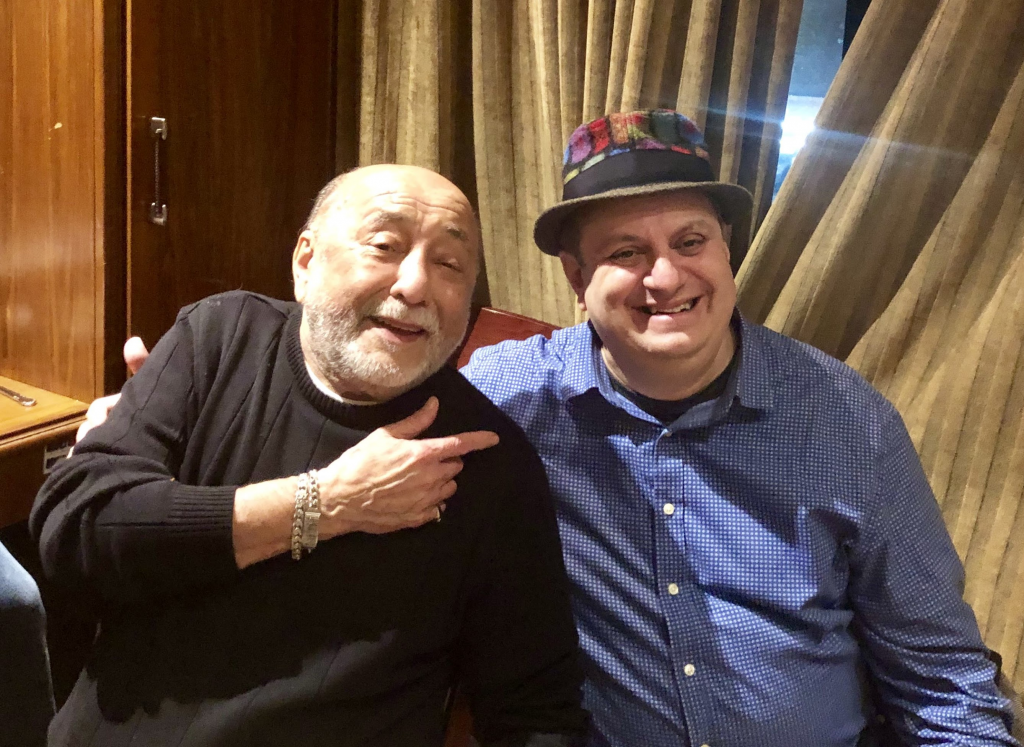
Also, much love to my great friend, American original, Sun of Latin Music, and legendary musician Eddie Palmieri who passed earlier this year and to the friends and family of Alex Box.
Thank you for your moving tributes to these incredibly important educators, Gary. I’m sorry that you have lost so many friends and colleagues in 2025. Thanks for making it your mission to keep their work alive. XX
I had not heard about José. What a loss to our world. Hugs to Ann.