Student-Led Remida?
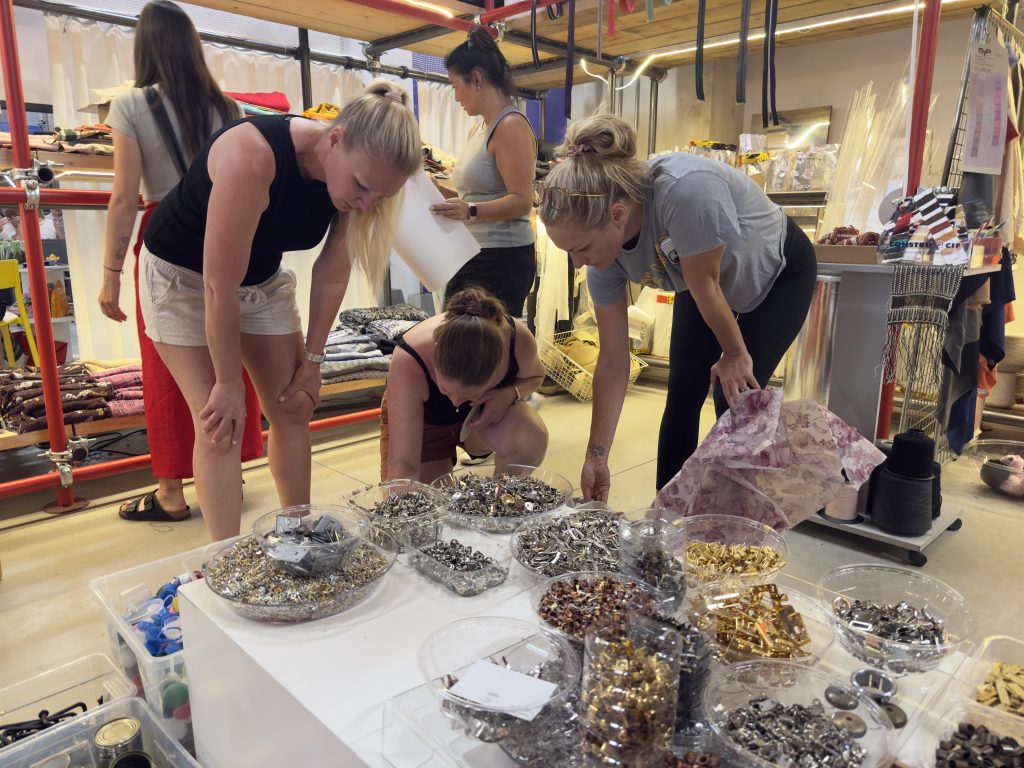
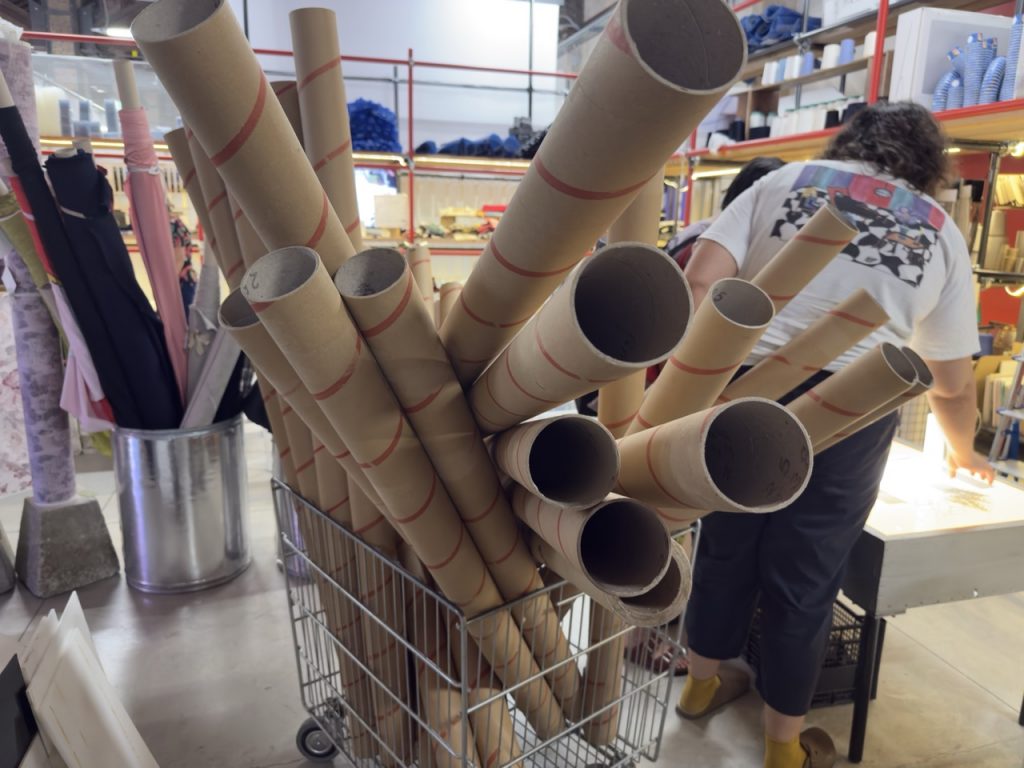
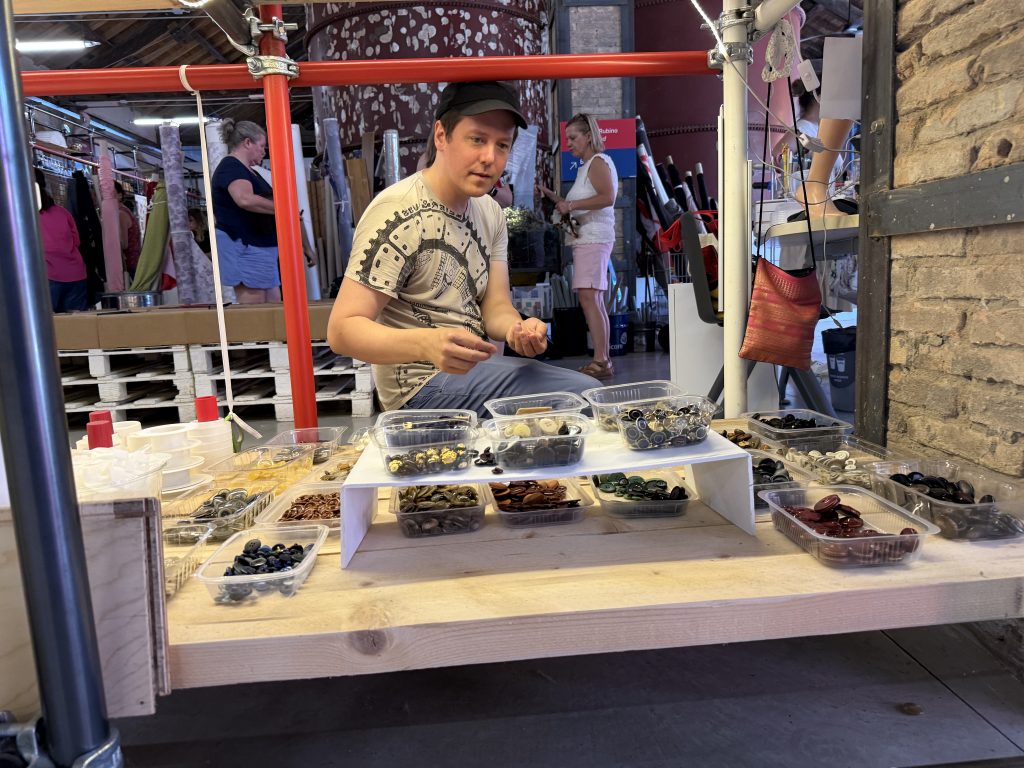
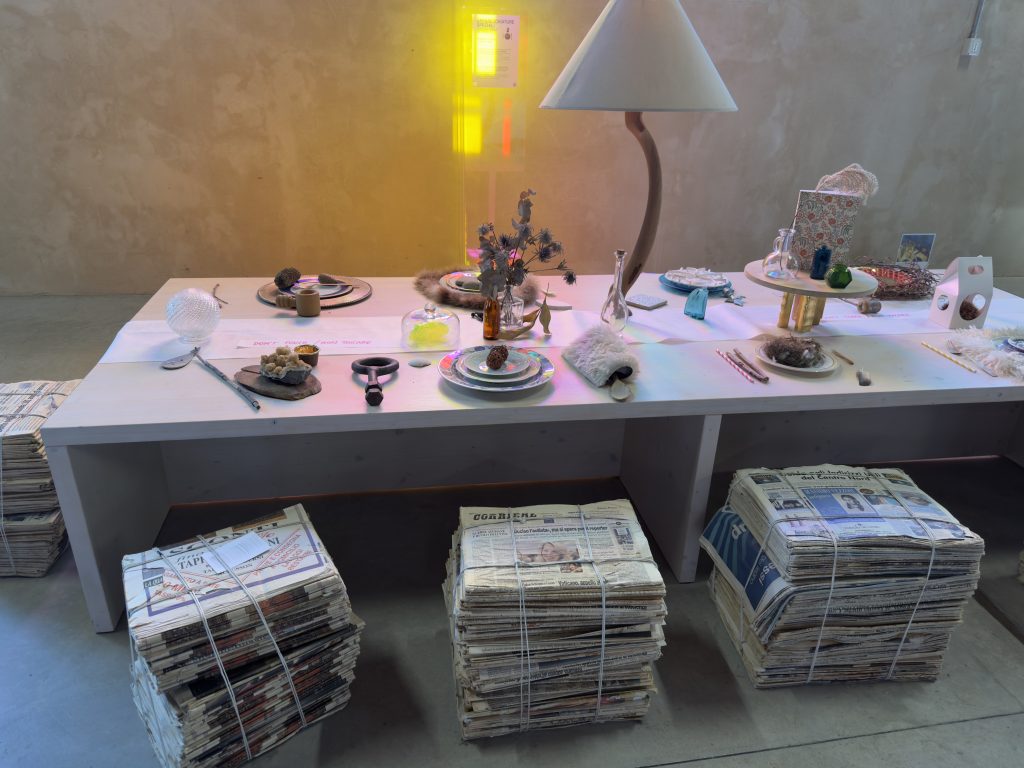
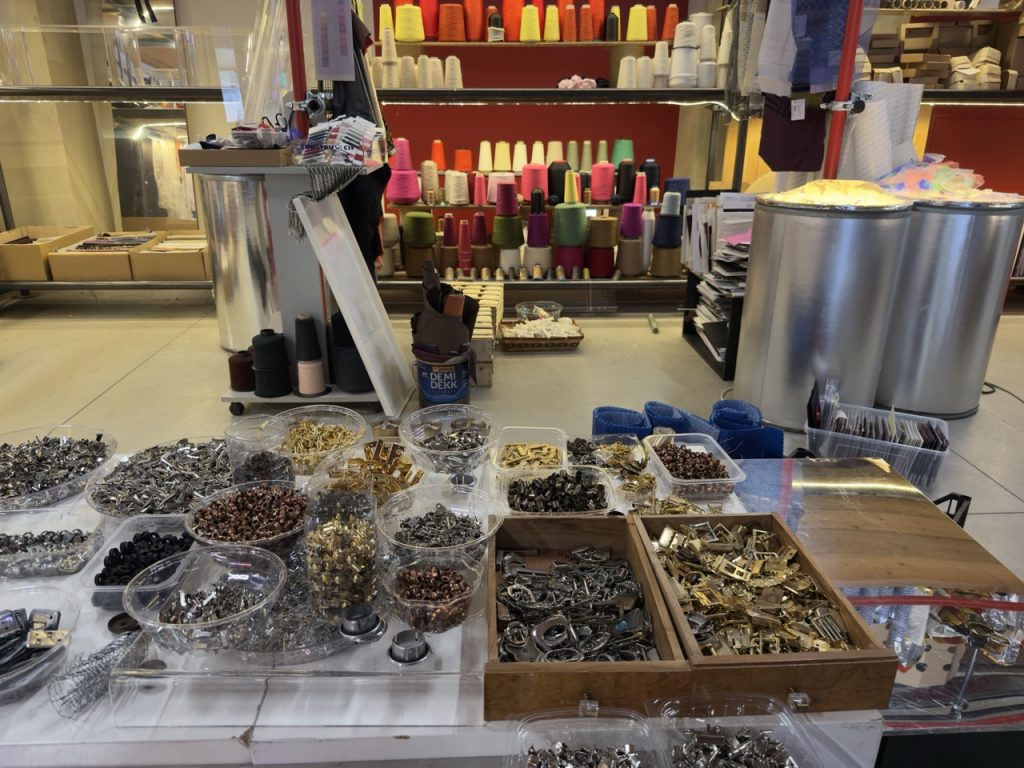
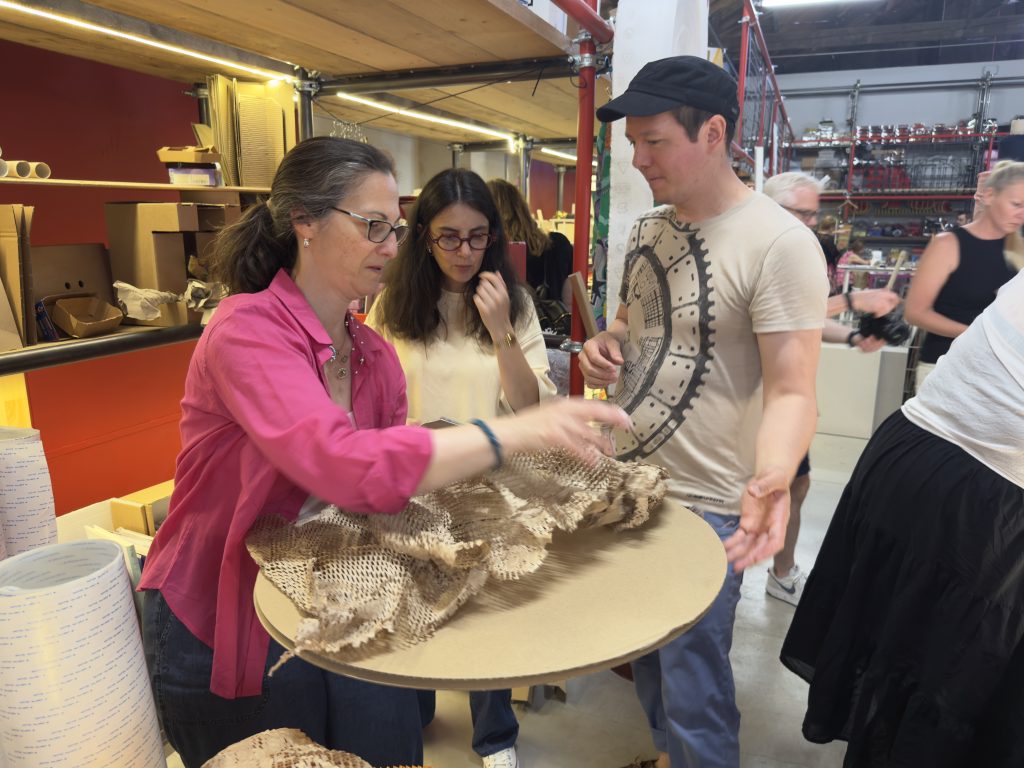
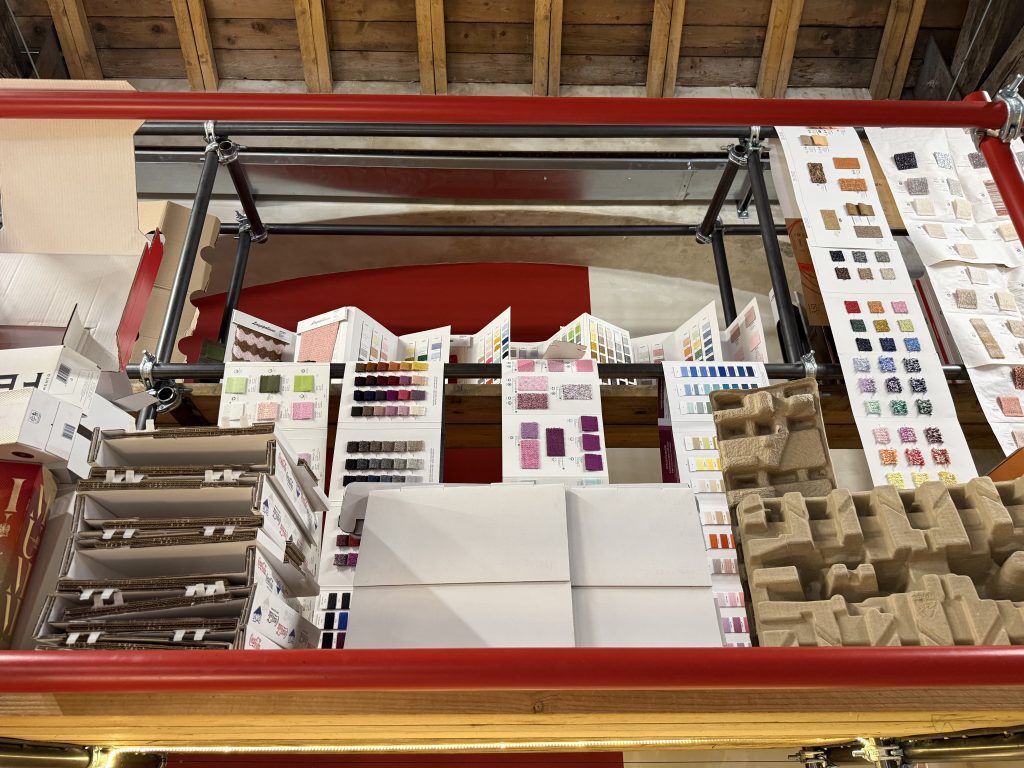
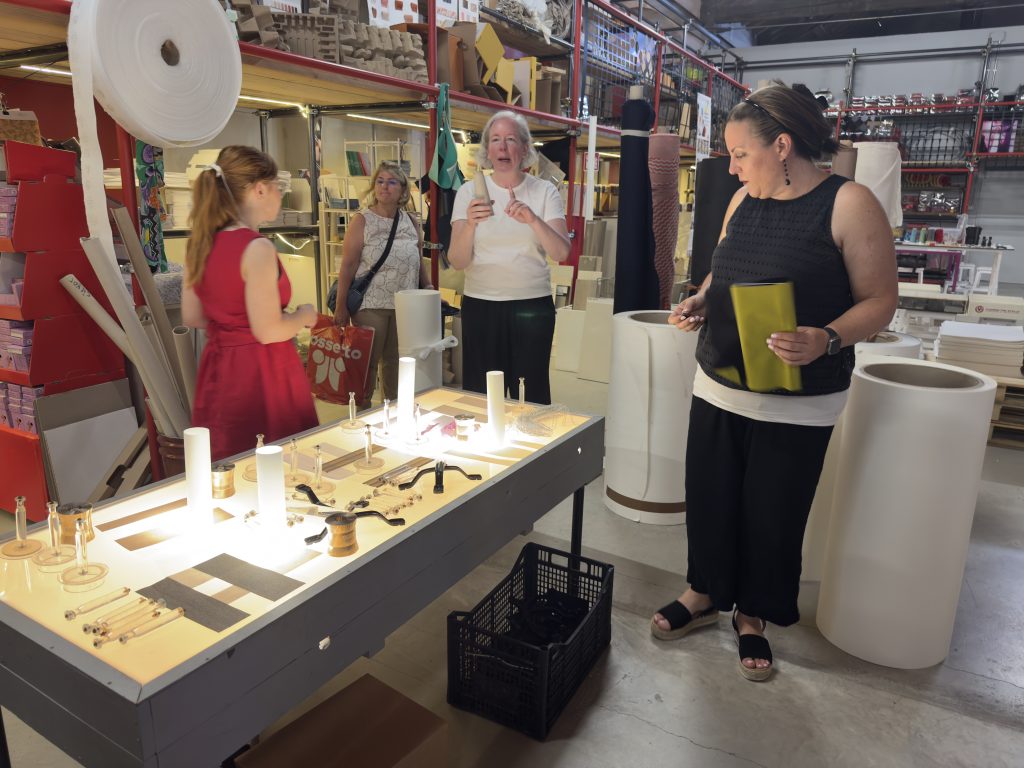
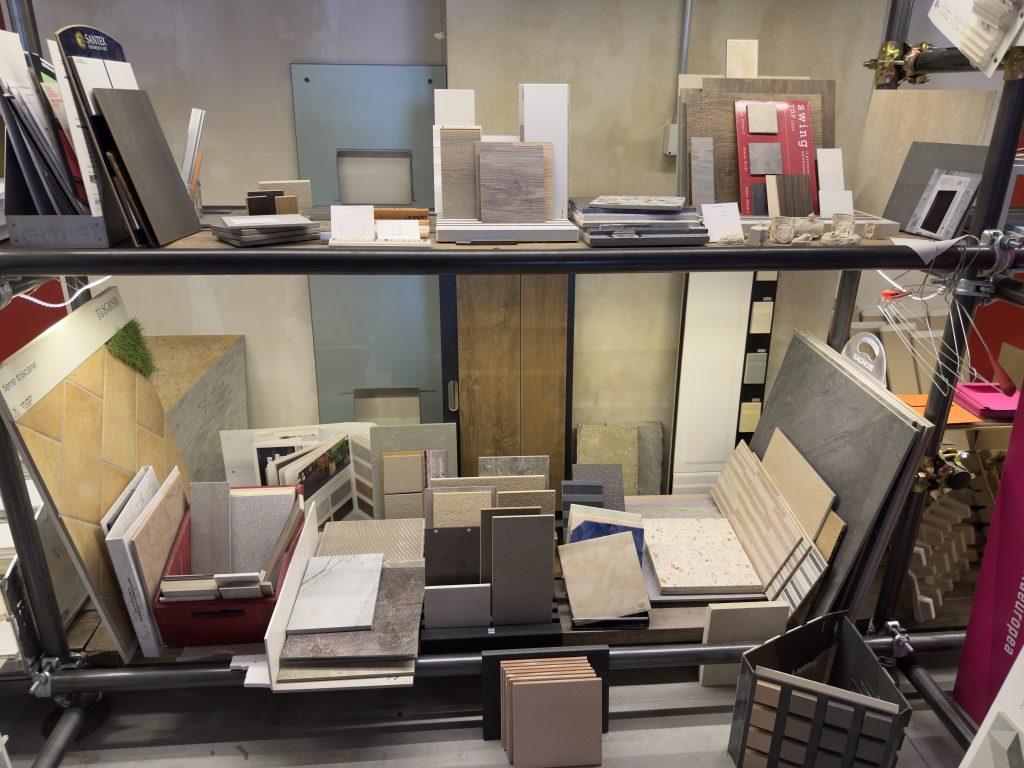
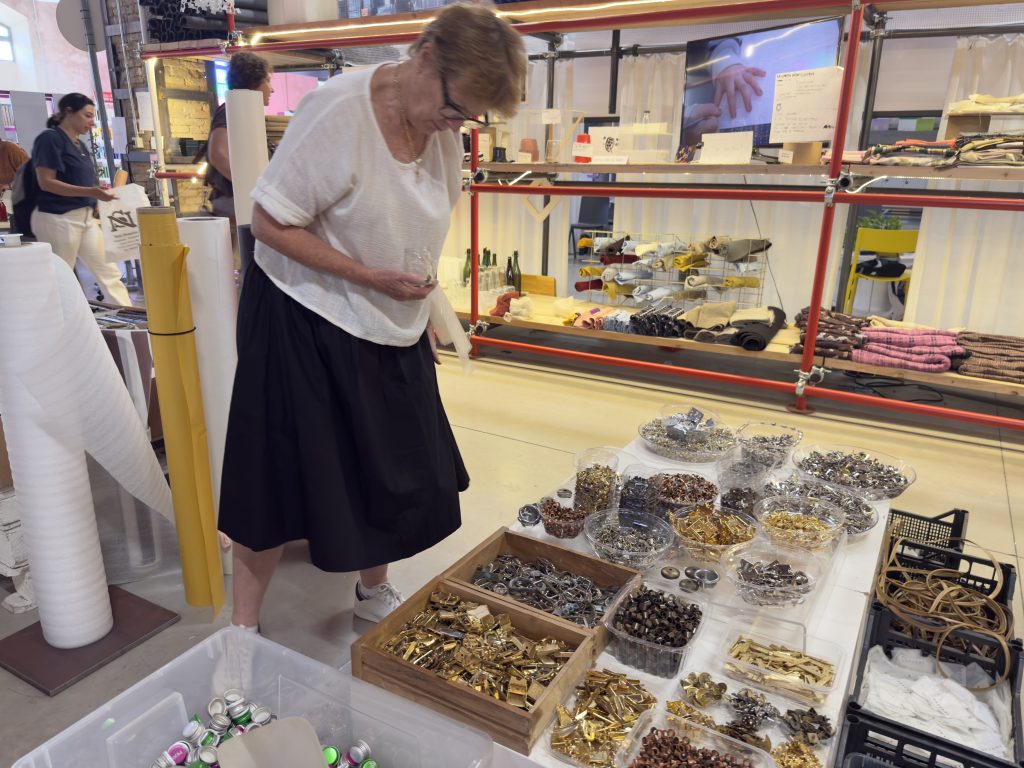
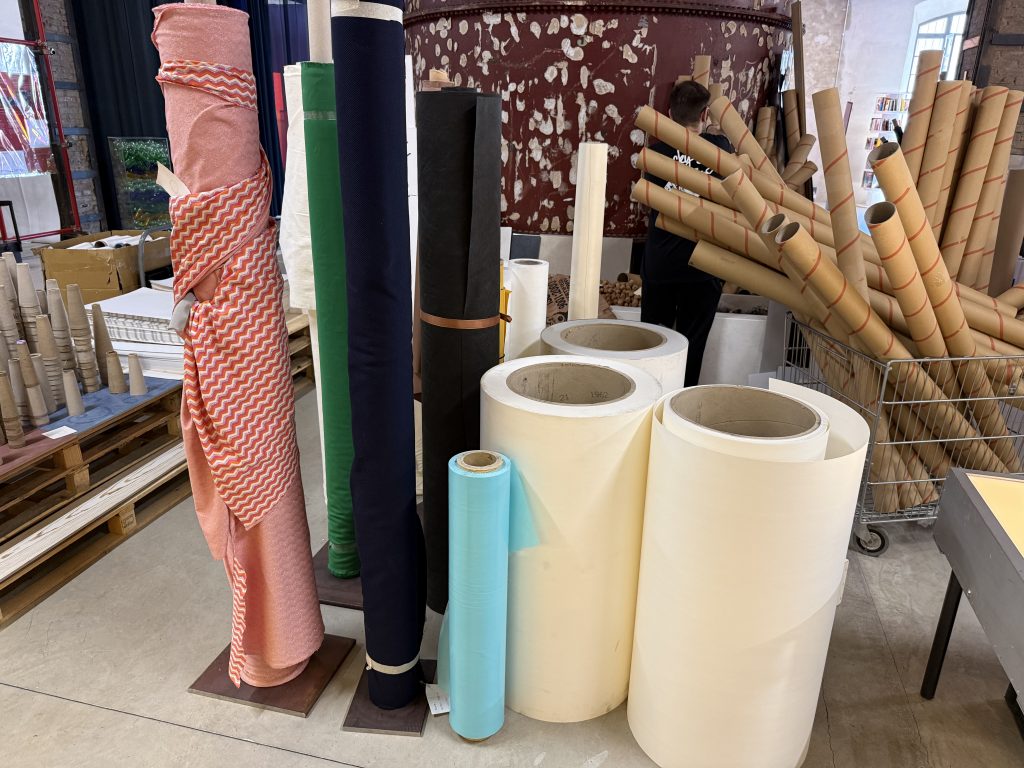
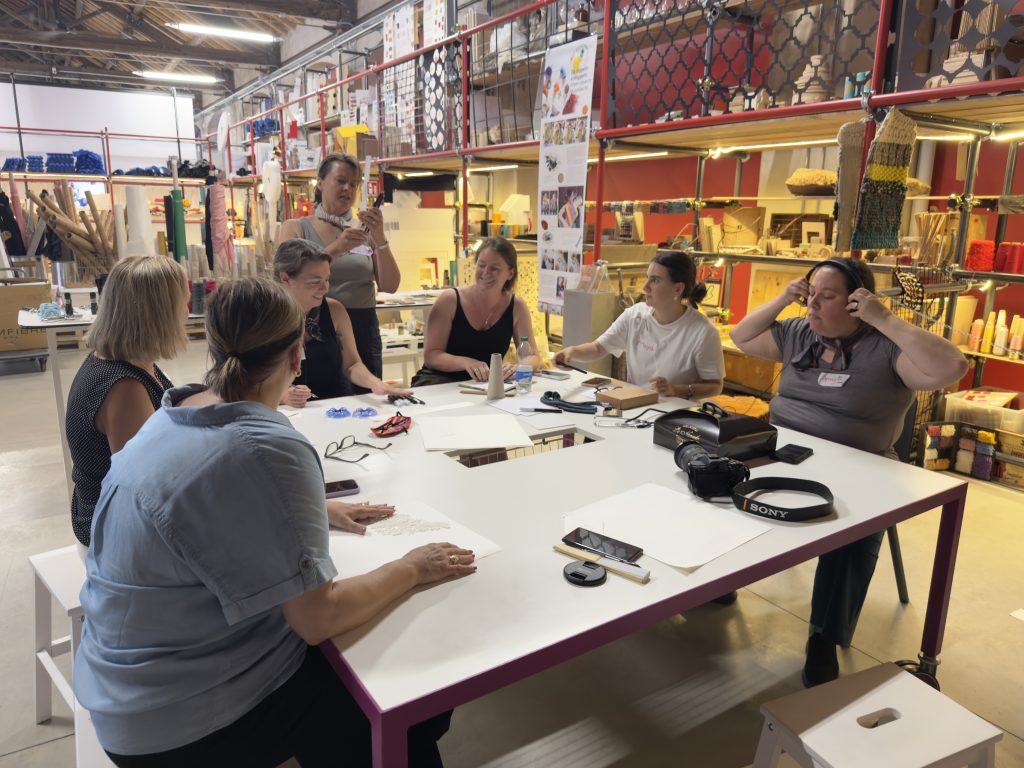
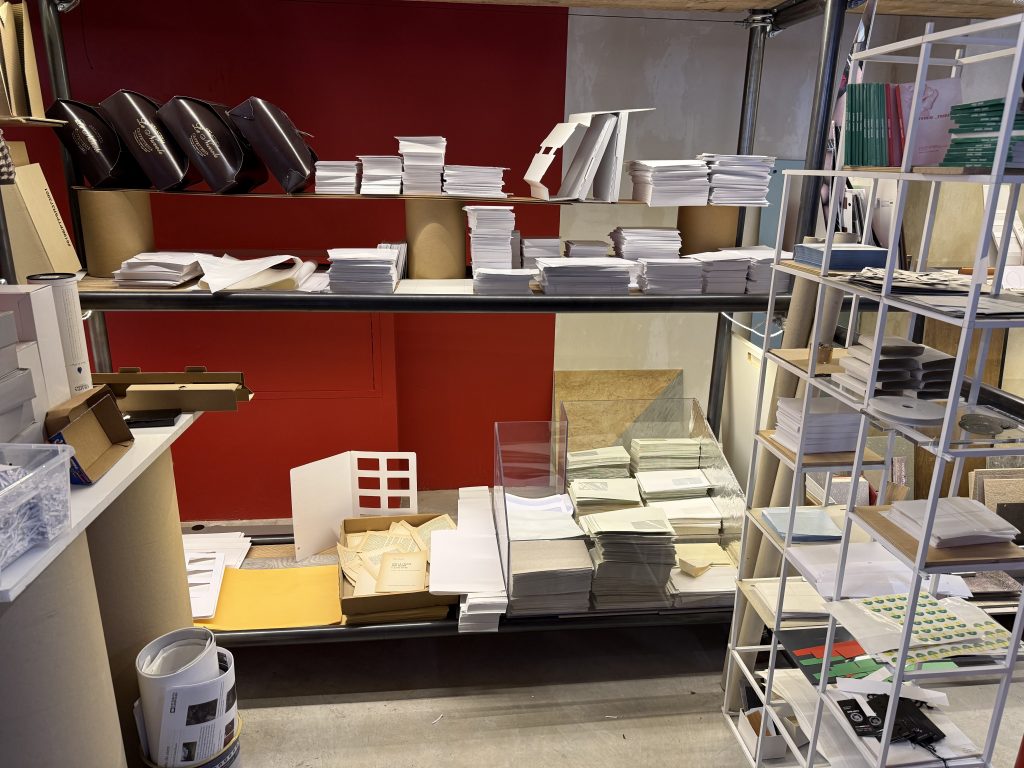
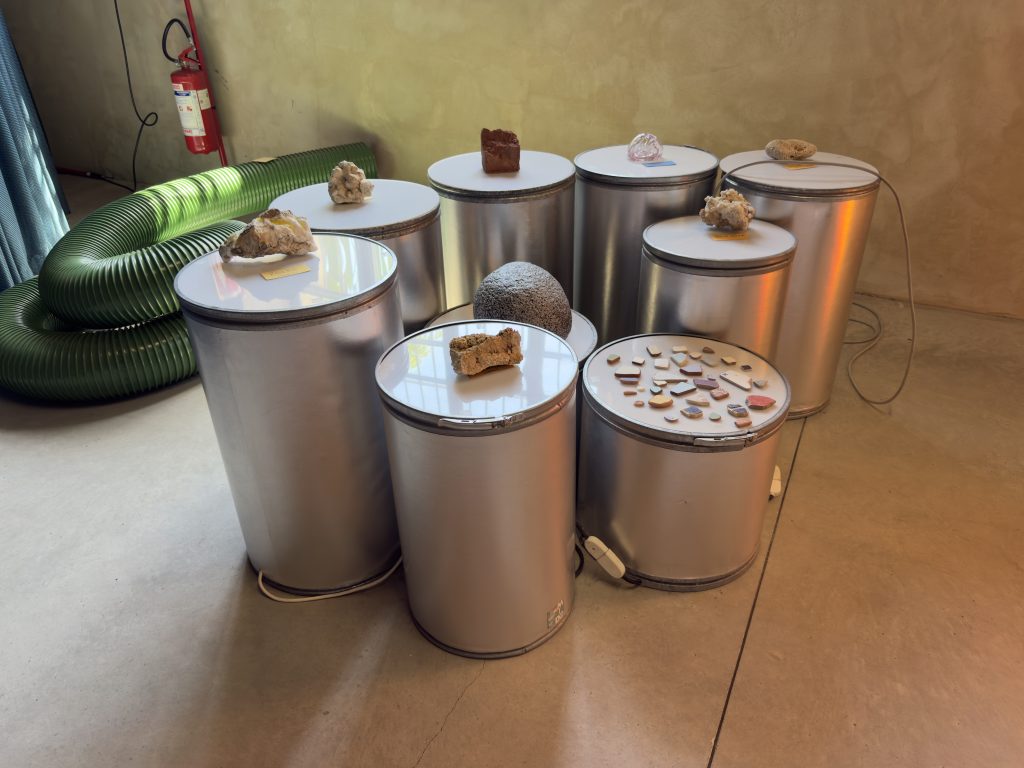
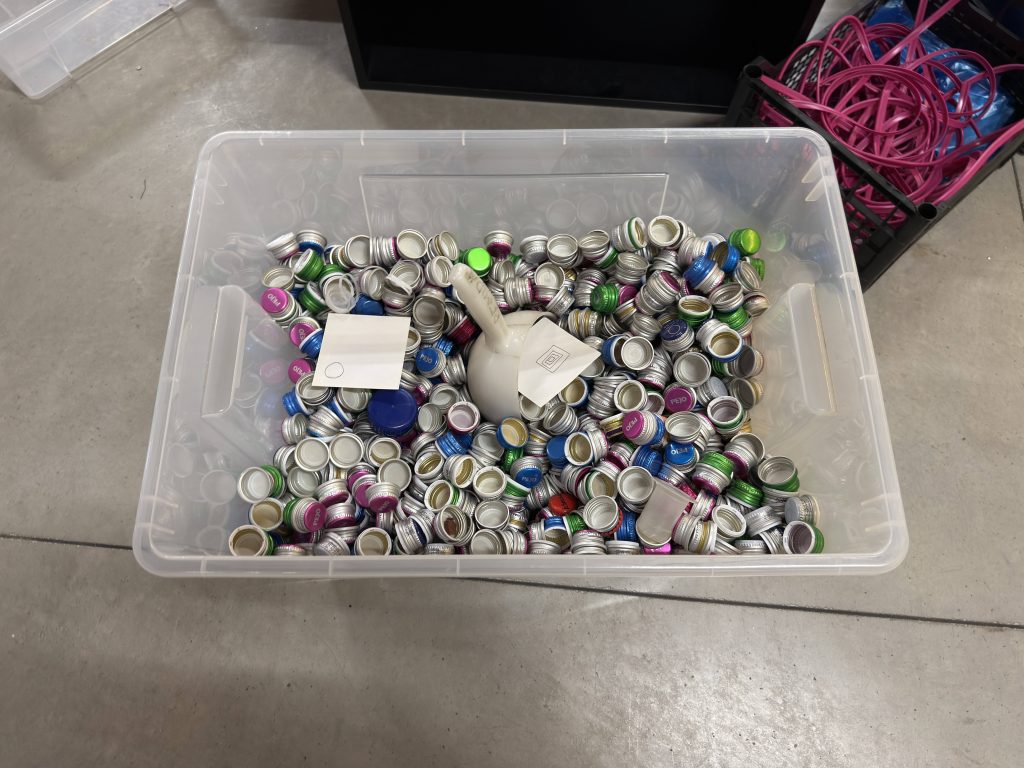
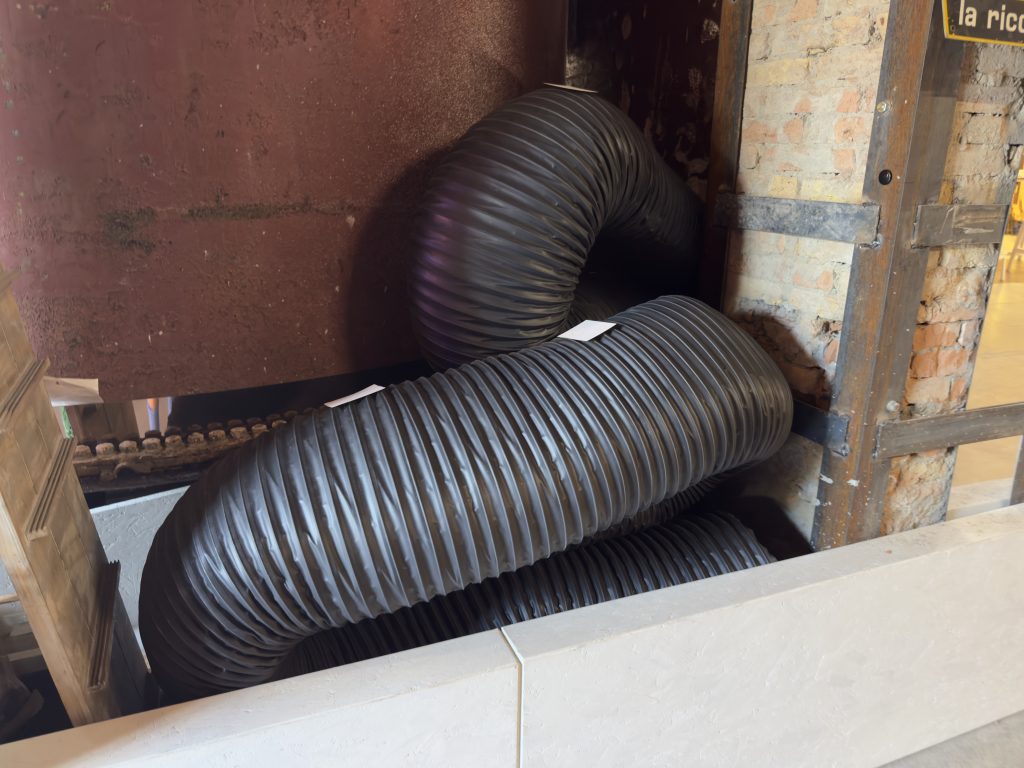
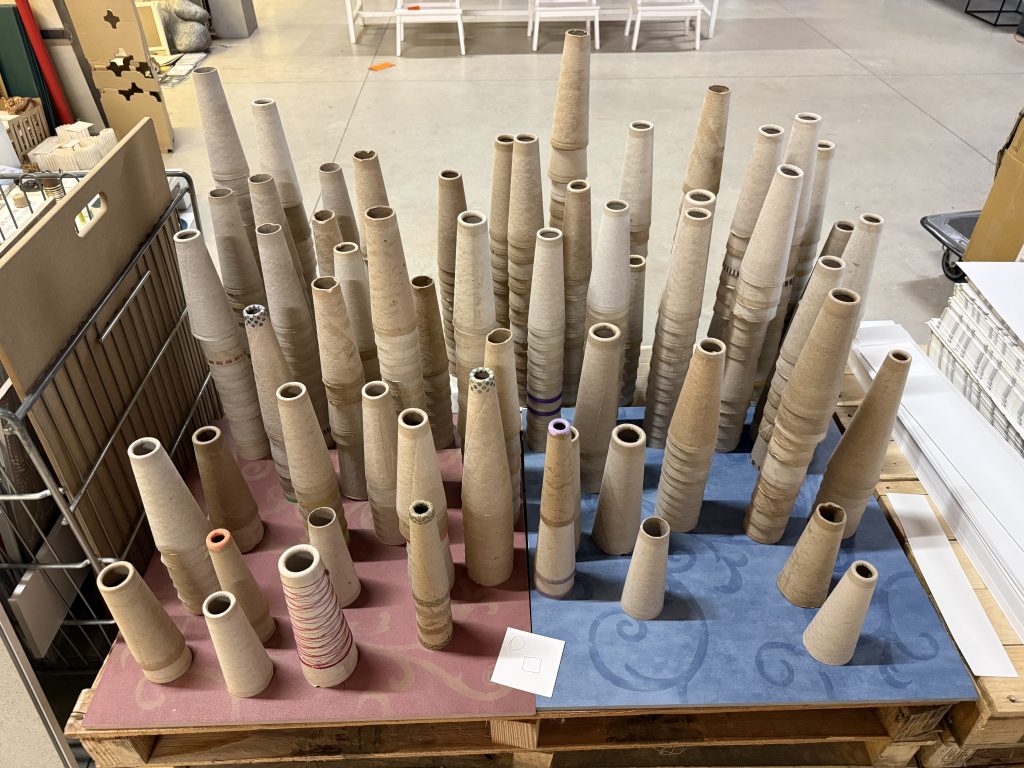
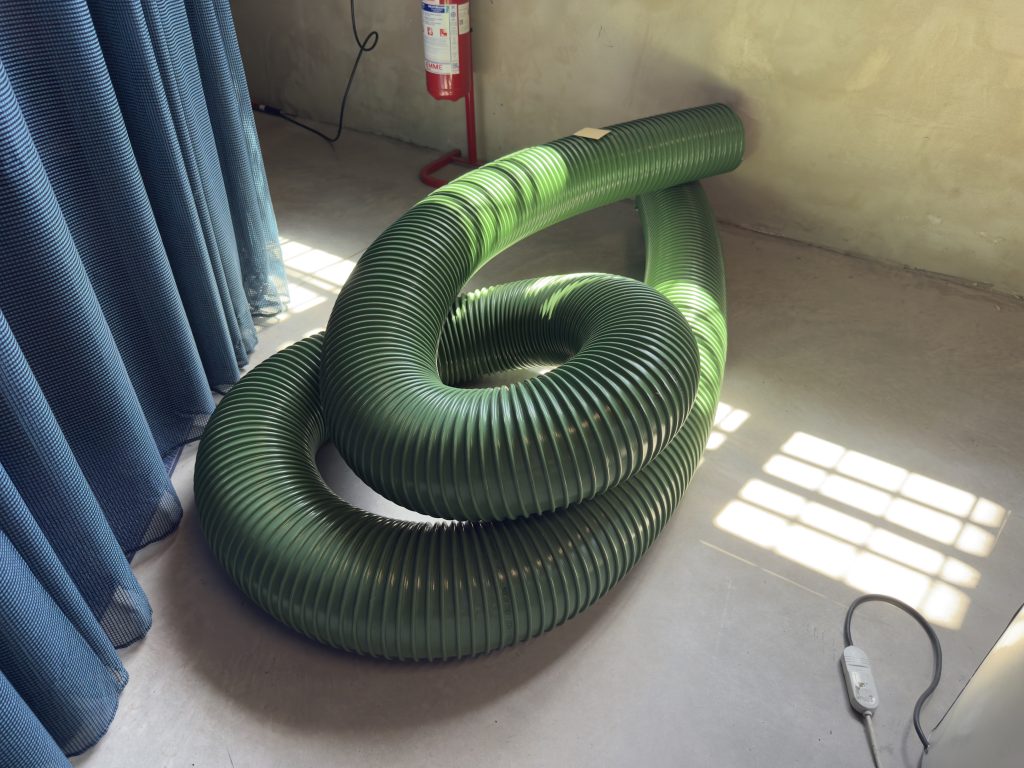
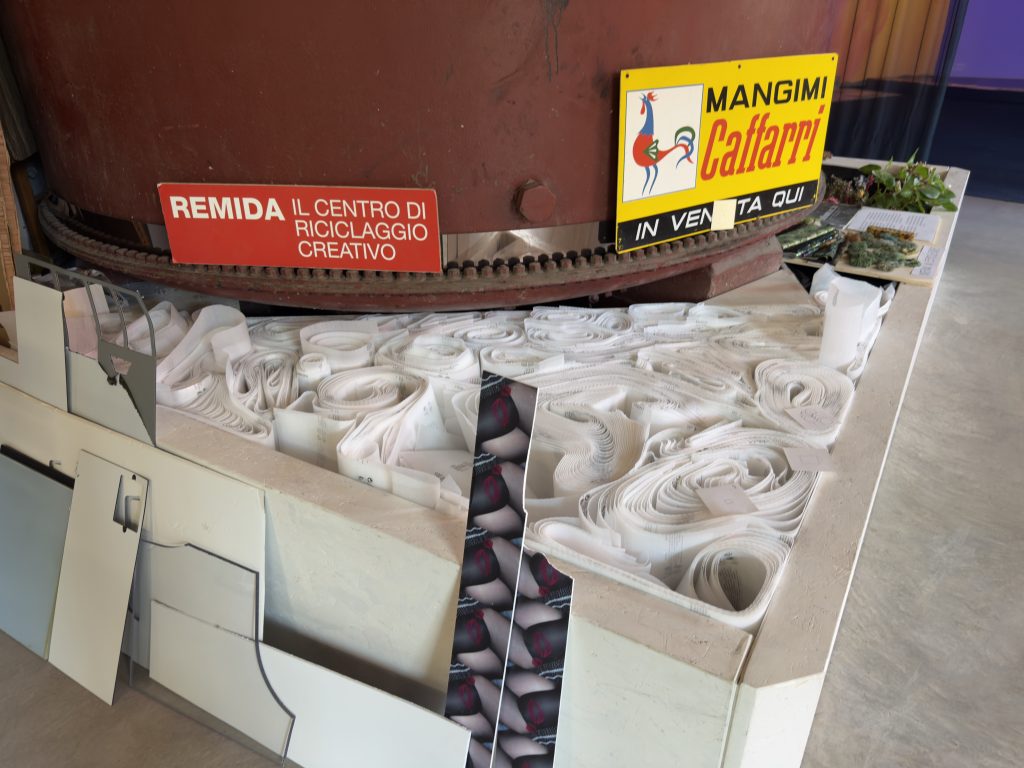
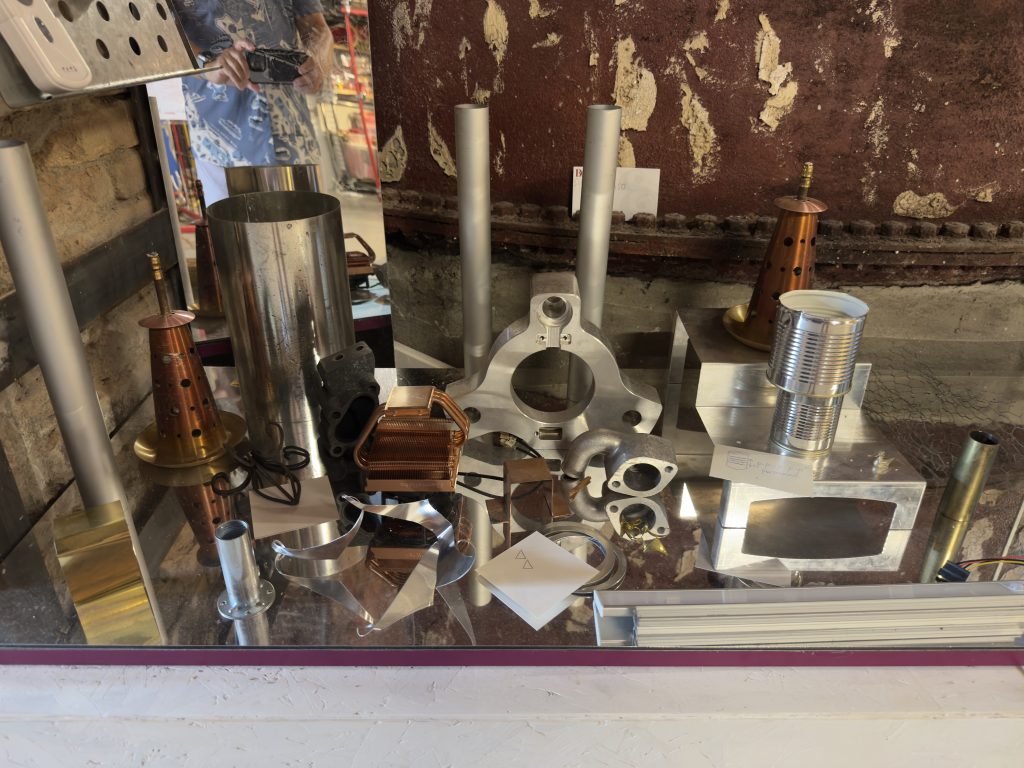
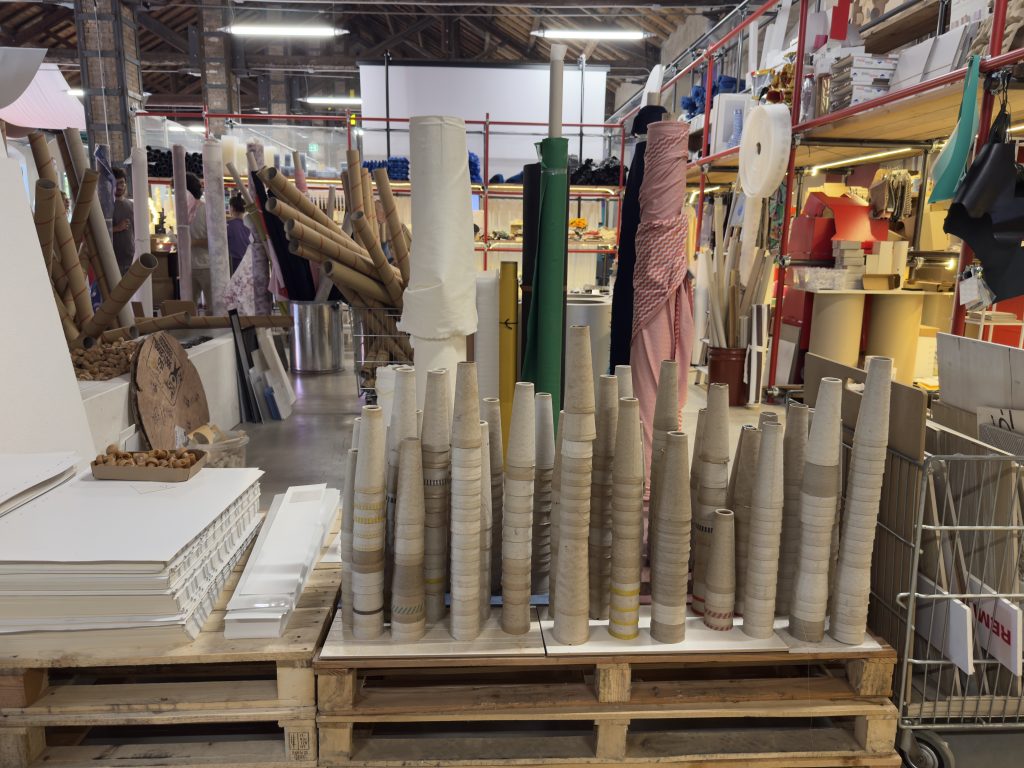
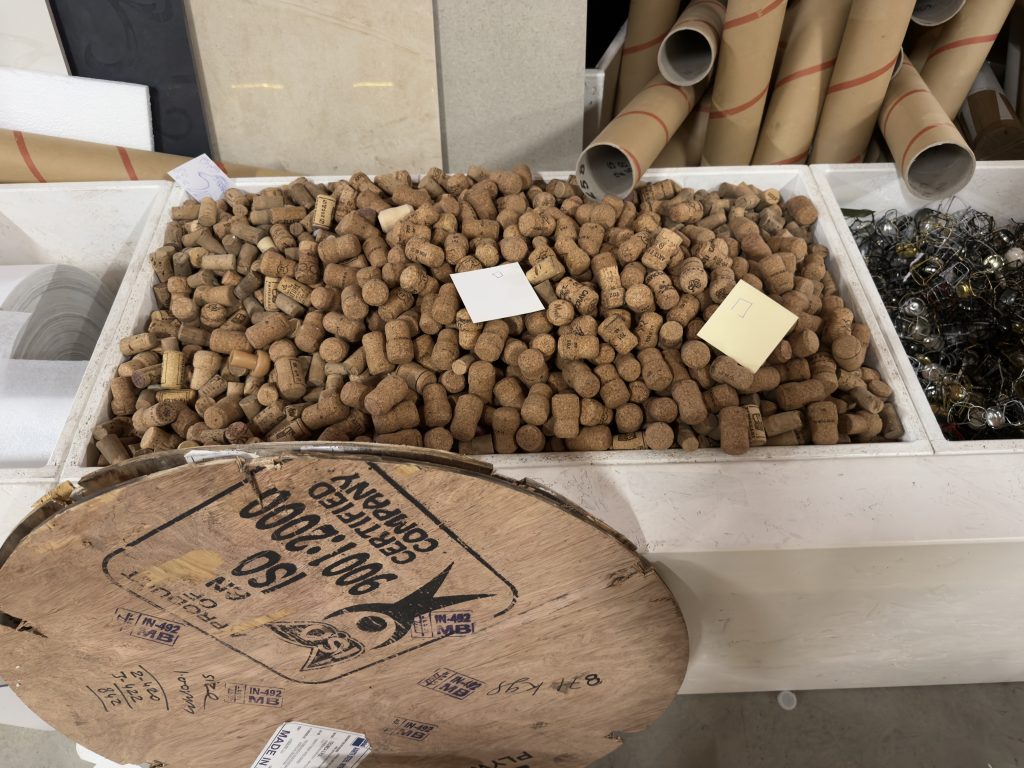
Remida is the creative recycling centre in Reggio Emilia, Italy. It is a partnership between the city, the Fondazione Reggio Emilia, and the local utility companies. Created in 1996, Remida is an invaluable resource for the city's teachers and children by making a potentially infinite variety of materials available, free-of-charge, for use in classrooms for project work, as playthings, for experimental purposes, and even as novel furniture. There are other similar centers around the world, but few have endured for as long as ReMida or are as deeply embedded in a sophisticated pedagogical tradition as the Reggio Emilia approach.
There are countless reasons for there to be something like ReMida in every school, district, or community, center. The educational benefits of such an initiative are:
- ecological – reuse is sustainable and a good habit
- community building – may be a center for meeting, creating, and collaboration
- economic – teachers, families, children, and local artists may not have the means to afford the materials they want or need
- creative – art, craft, invention, tinkering, and problem solving
- playful
- fun
- meditative
Remida also offers a Saved By Remida book collection where you can donate used books and take others in return. Think Little Free Library, but bigger. The literacy implications for schools are obvious.
And the children shall lead...
The cultural, creative, and educational value of places like Remida are self-evident. Every school can profit from a "loose parts" or materials library. Even public libraries are recognizing the need for tool and material lending, in addition to hosting maker spaces. The idea to collect and share free materials for project use seems obvious, but left to adults may remain unfulfilled.
The good news is that the one resource schools have in abundance is kid power. Kids can and should lead efforts like the creation and operation of school material libraries.
There are plenty of precedents for student-led services in schools. Some are entrepreneurial in nature, while others just fill a need. All provide opportunities for leadership development, service, cooperation, and responsibility.
The Lamplighter Layers is an egg harvesting and selling corporation run for more than half a century by fourth graders at Dallas' Lamplighter School. Each year, third graders decide on which chicks to procure and learn to care for them until they are grown enough to be taken to the school's barn. When they become fourth graders, the students assume responsibility for the Lamplighter Layers Corporation, which operates like any incorporated business. Fourth graders care for the chickens, clean eggs, market their sale, hold business meetings governed by Robert's Rules of Order, and engage in philanthropy. Fresh eggs are sold at carpool weekly and members of the corporation identify charities to receive a portion of their business proceeds.
"While the foundations of Lamplighter Layers are steeped in tradition, the future of the corporation is as unique as each senior class that strives to discover the company's potential."
— The Lamplighter School. thelamplighterschool.org
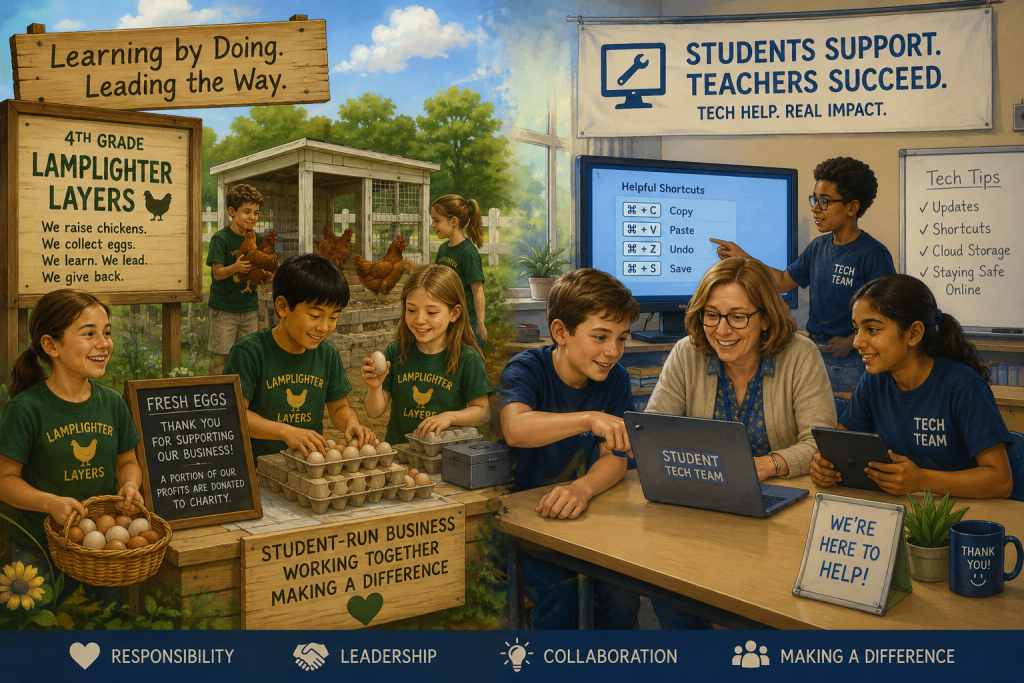
For decades, Dennis Harper led Generation Y — later Generation YES and TechYes, organizations that promoted student expertise development, leadership and service. Schools across the globe embraced these curricula as a framework for student-led technology support, teacher mentoring, repair and peer coaching in schools. Dennis liked to point out that 95% of the people in a school are students and they know stuff. With a bit of scaffolding, their expertise and enthusiasm can be channeled to benefit teachers, community, and classmates.[1]
What to do?
Whether run as a club or part of an instructional program, one can imagine the value of creating a student-led material library. The organizational formality of the effort are up to each school. Each "center" can decide how formally they wish to be organized. Some will have elections for "club" officers and host management meetings, while others enjoy looser structures.
In any case, kids can:
- Identify and prepare a suitable space for the library
- Write letters to local businesses, parents, and community members seeking material donations
- Stock, sort, categorize, organize, and maintain the material library
- Assign major roles
- Take turns staffing the material library
- Engage in marketing the library and alerting the community to the availability of new materials
- Seek grants and monetary donations
- Organize workshops and public events utilizing the materials collection
- Have fun!
Rituals and traditions are powerful. They sustain and fortify any effort. Building a structure in which 5th or 8th or 11th graders look forward to running the reuse center, like The Lamplighter School's Lamplighter Layers egg business, is a great strategy for building a great student-led program.
Can your student materials library match the beauty, sophistication, size, or scope of Reggio Emilia's Remida? Perhaps not, but even a junior version forms the basis for terrific student projects, research, and community engagement.
Please let us know what you and your students create to "save" the world!
Footnotes:
[1] Harper, D. STUDENTS AS CHANGE AGENTS: THE GENERATION Y MODEL. In Technology-Rich Learning Environments (pp. 307-329). https://doi.org/10.1142/9789812564412_0014